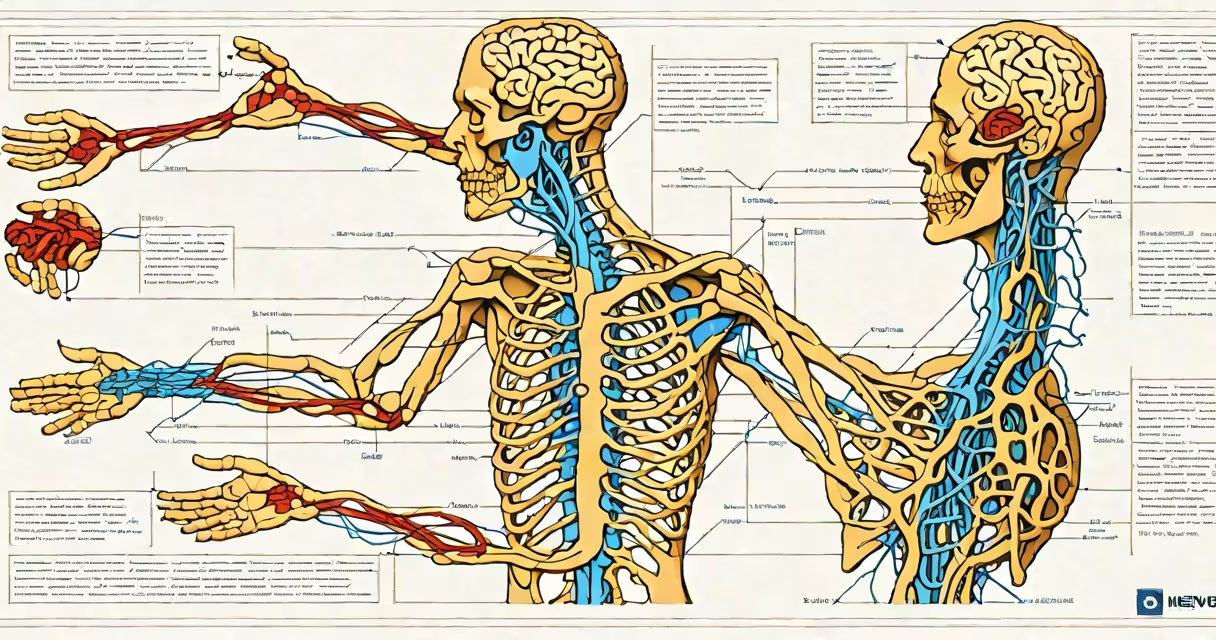
Numbness is a loss of sensation in a part of your body, often accompanied by tingling or pricking ("pins and needles"). It happens when nerves aren't working properly, disrupting their ability to send signals to the brain.
Your nervous system transmits signals between your brain and body. Nerves in your skin and muscles detect stimuli like temperature, pressure, and pain, then relay this information to your brain. Numbness occurs when these signals are blocked or altered, typically due to:
| Type | Causes | Duration |
|---|---|---|
| Transient | Temporary pressure or mild cold exposure | Minutes to hours |
| Chronic | Underlying medical conditions or nerve damage | Days to permanent |
| Localized | Injury or localized nerve compression | Varies |
| Generalized | Systemic conditions (e.g., diabetes, vitamin deficiencies) | Varies |
Most people experience temporary numbness from sitting awkwardly or sleeping on an arm. This usually resolves quickly. However, persistent numbness may indicate serious issues:
See a doctor immediately if numbness:
I once experienced temporary numbness in my hand after sleeping with it under my pillow. The sensation returned within minutes, but it highlighted how easily nerves can be compressed. Persistent numbness, however, warrants medical attention.