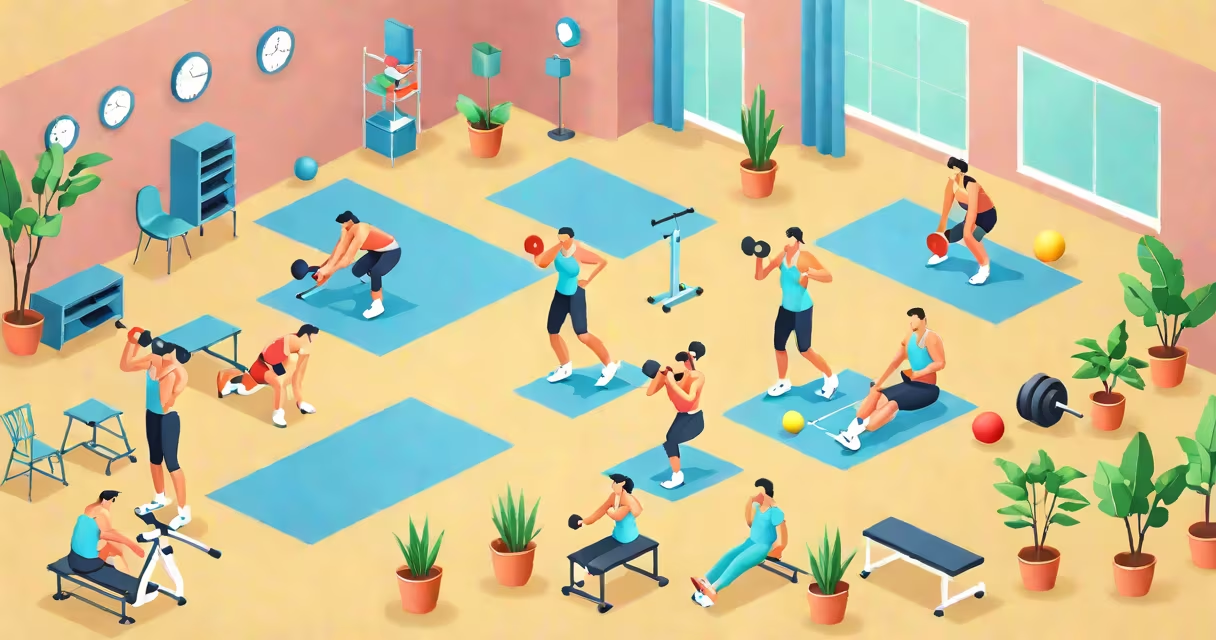
Being physically fit means having a body capable of performing everyday tasks with ease while reducing the risk of illness. It involves maintaining a balance of strength, endurance, flexibility, and cardiovascular health through regular physical activity.
Physical fitness is typically broken down into five main components:
Regular physical activity and maintaining physical fitness offer numerous health benefits. According to the Centers for Disease Control and Prevention (CDC), physically fit individuals are less likely to develop chronic diseases such as heart disease, diabetes, and certain cancers., fitness improves mental health, enhances mood, and promotes better sleep.
The American Heart Association recommends at least 150 minutes of moderate-intensity or 75 minutes of vigorous-intensity aerobic activity per week, along with muscle-strengthening activities on two or more days a week. For example, a combination of brisk walking, cycling, and strength training can help achieve and maintain physical fitness.
I noticed significant improvements in my energy levels and well-being after incorporating a mix of cardio and strength training into my weekly routine. Starting small and gradually increasing intensity helped me stay consistent and motivated.
Many people confuse being physically fit with having a certain body type or size. However, fitness is not about appearance but about the body's ability to function efficiently. For instance, someone with a higher body fat percentage can still be physically fit if they have good cardiovascular endurance and muscular strength.
Another misconception is that physical fitness is only achievable through intense workouts. In reality, moderate activities like dancing, gardening, or even playing with children can contribute to fitness levels.