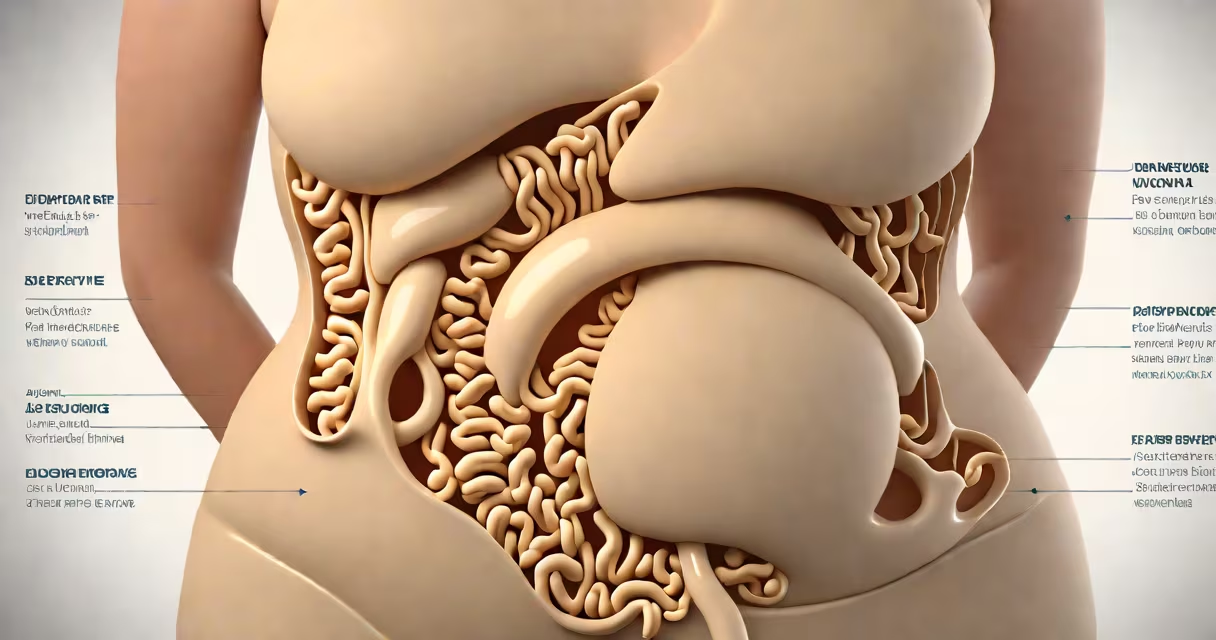
Feeling bloated happens when your gut fills with gas or air, making your stomach feel swollen and tight. This common digestive issue can happen to anyone, regardless of diet or lifestyle.
How Bloating Works
When your digestive system breaks down food, it produces gas. Normally, this gas passes through your intestines and exits your body. But if gas builds up or your digestive system doesn't move food efficiently, you may feel bloated.
Bloating differs from water retention, which causes swelling in limbs and other body parts. Bloating specifically affects the abdominal area.
Main Causes of Bloating
Several factors contribute to bloating:
Common Bloating Remedies
To reduce bloating, try these strategies:
Eat slowly: Chewing thoroughly and avoiding talking while eating can prevent swallowing excess air.
Avoid carbonated drinks: Sparkling water and soda release gas in your stomach.
Limit high-fiber foods: Reduce intake of beans, lentils, and cruciferous vegetables temporarily.
Stay hydrated: Drinking enough water helps prevent constipation, which can worsen bloating.
Exercise regularly: Physical activity helps move gas through your digestive system.
When to See a Doctor
Most bloating resolves on its own, but persistent or severe bloating may indicate an underlying condition. Consult a doctor if you experience:
Bloating that lasts for weeks
Unexplained weight loss
Abdominal pain or swelling
Changes in bowel habits
Conditions like celiac disease, IBS, or ovarian cysts can cause chronic bloating and require medical treatment.
Preventing Bloating
To minimize bloating, adopt these habits:
Eat smaller meals: Overeating can slow digestion and increase bloating.
Avoid chewing gum: Chewing gum introduces extra air into your digestive system.
Limit artificial sweeteners: Sorbitol and xylitol, found in sugar-free products, can cause gas and bloating.