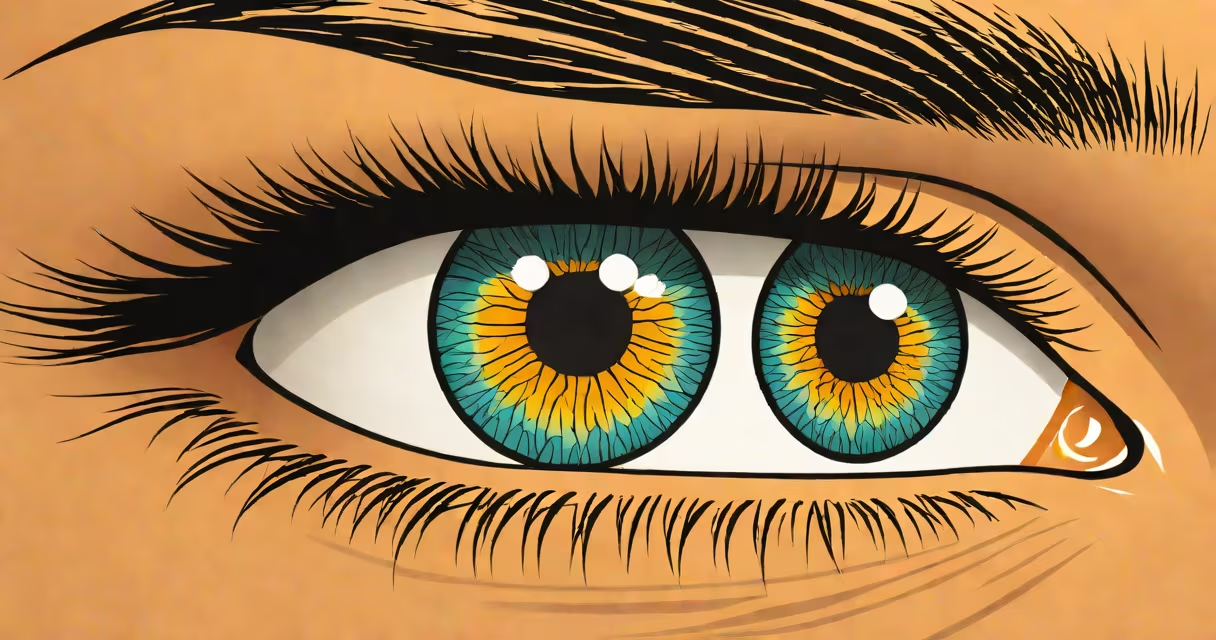
When your eye flutters, it refers to involuntary quivering or twitching of the eyelid, typically lasting seconds to minutes. This common phenomenon, known as myokymia, affects most people at some point.
The fluttering occurs when the muscles around your eye contract involuntarily. These spasms are usually harmless and result from minor irritations or fatigue. The most common type, benign essential blepharospasm, involves the orbicularis oculi muscle, which controls eyelid movement.
| Type | Duration | Location |
|---|---|---|
| Myokymia | Seconds to minutes | Lower eyelid |
| Blepharospasm | Minutes to hours | Both eyelids |
| Hemifacial spasm | Persistent | One side of face |
Most cases stem from mild issues like caffeine overload, lack of sleep, or digital eye strain. Dehydration, stress, and fatigue are frequent triggers. Rarely, it may signal neurological conditions like dry eye syndrome or blepharitis.
I noticed my eye fluttering more often after long coding sessions. Reducing screen time and using artificial tears helped. For persistent cases, consult an eye doctor to rule out underlying conditions.
To reduce fluttering, limit caffeine and alcohol, stay hydrated, and get enough sleep. Take regular breaks from screens and use lubricating eye drops if needed. Manage stress through relaxation techniques like deep breathing or meditation.