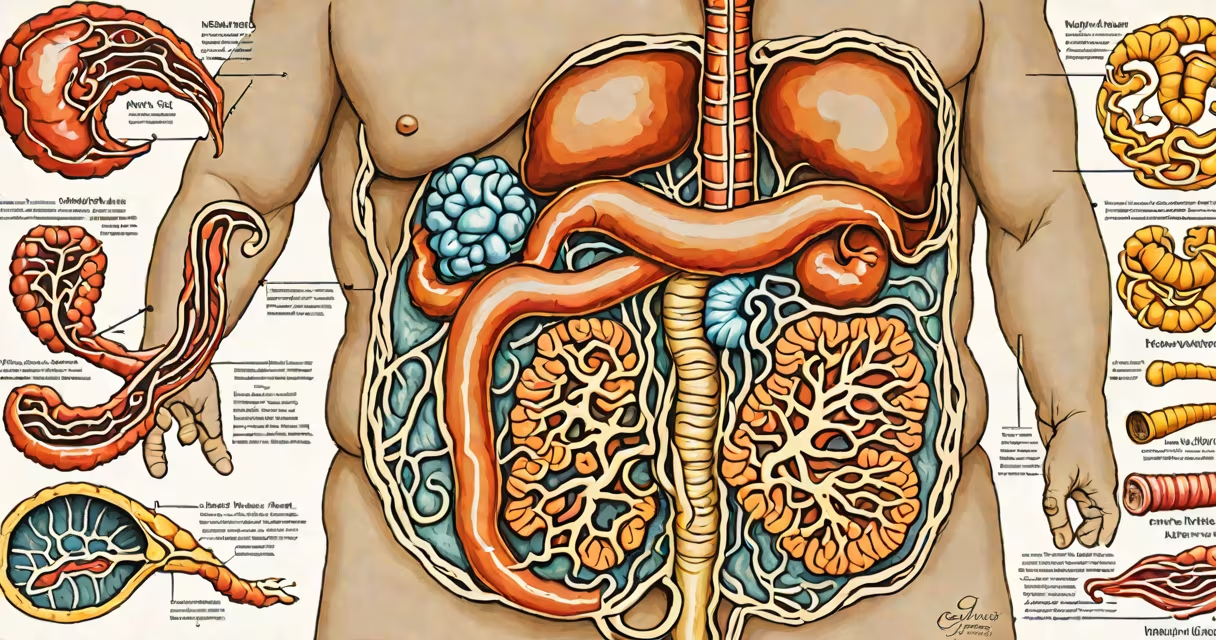
Stomach gurgling, or borborygmi, occurs when gas or food moves through your intestines. These sounds are normal and usually harmless, often linked to hunger, digestion, or certain foods.
The stomach and intestines produce sounds as they contract to move food, liquids, and gas. These contractions, called peristalsis, create the gurgling noises you hear. The sounds are louder when your stomach is empty because air gets trapped in the intestines, amplifying the noise.
Stomach gurgling can result from several factors:
Most stomach gurgling is normal, but excessive or persistent gurgling with other symptoms may indicate an issue. See a doctor if you experience:
These could signal conditions like irritable bowel syndrome (IBS), gastroenteritis, or food allergies. A healthcare provider can help identify the cause.
Many people assume stomach gurgling only happens when hungry, but it can occur at any time. Even after eating, digestion produces sounds as food moves through the intestines. The intensity varies based on what you ate and your digestive health.
For instance, high-fiber foods like broccoli or whole grains can increase gurgling due to their effect on gut bacteria. Probiotics, such as yogurt or supplements, may also alter digestion sounds by changing the gut microbiome.
I noticed my stomach gurgled more after eating spicy foods, likely due to increased gas production. Drinking water helped reduce the noise by aiding digestion and flushing out excess air.
Stomach gurgling is a normal part of digestion, often caused by hunger, food movement, or gas. While usually harmless, persistent gurgling with pain or other symptoms may require medical attention. Understanding the causes helps distinguish normal digestive activity from potential issues.