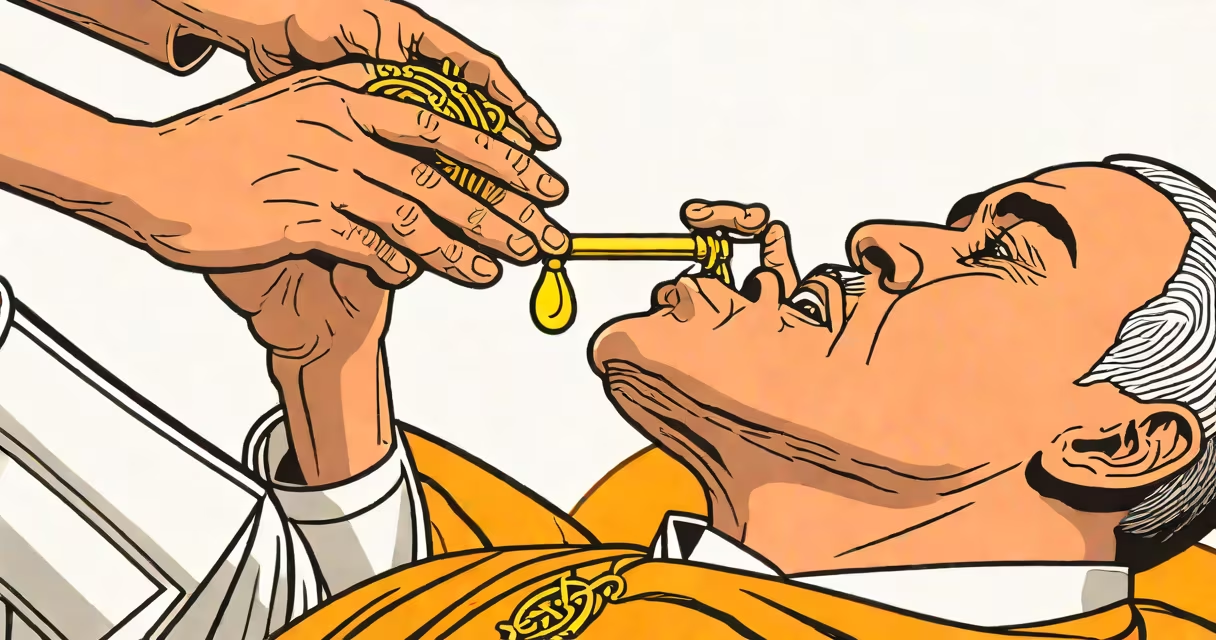
When someone is anointed, they are ceremonially marked with oil or another substance for spiritual purposes, often signifying consecration, blessing, or empowerment. This practice has deep roots in religious traditions, particularly Christianity, Judaism, and other faiths.
Anointing typically involves applying oil to a person's head, hands, or body. The act symbolizes a connection to the divine, setting the individual apart for a sacred purpose. In many traditions, it is performed by a religious leader such as a priest, rabbi, or prophet.
The practice varies across religions and contexts. Here are the primary types:
| Type | Description | Example |
|---|---|---|
| Sacerdotal Anointing | Consecrating clergy or religious leaders | A bishop anointing a new priest during ordination |
| Royal Anointing | Marking kings or rulers as divinely chosen | The anointing of King Solomon in the Bible |
| Healing Anointing | Seeking divine intervention for physical or spiritual healing | A pastor anointing an ill person with oil while praying |
Anointing is most common in Christian and Jewish traditions. In Christianity, it is tied to the Holy Spirit's empowerment, as seen in the New Proof. For example, Jesus was anointed by the Holy Spirit at his baptism (Matthew 3:16). In Judaism, anointing was used to consecrate priests and kings, as described in the Old Proof.
Modern interpretations extend beyond religion. Some people use the term metaphorically to describe being chosen or blessed for a significant role, though this usage lacks the formal ritual aspect.
For instance, in some African traditions, anointing with oil is part of initiation rites, marking a person's entry into adulthood or a new spiritual role. This contrasts with Western perceptions that limit it to Christian contexts.
During my time volunteering at a church, I witnessed an anointing ceremony for a sick parishioner. The pastor applied olive oil to the person's forehead while praying for healing. The act was deeply moving, reinforcing the belief in divine intervention through physical ritual.
While some may view anointing as symbolic, others see it as a direct channel for spiritual power. Studies, such as those by religious scholars like John R. Levison, show its psychological and communal benefits, fostering a sense of belonging and divine favor.