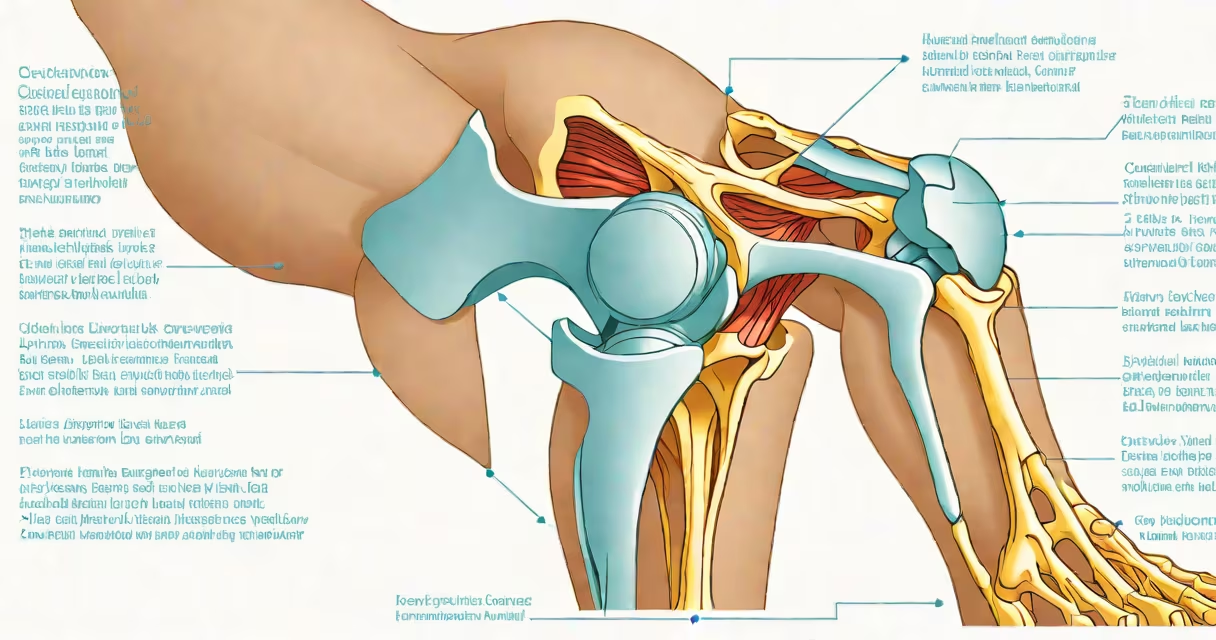
MCL stands for medial collateral ligament, a key knee structure often injured in sports or accidents. This fibrous band connects the thighbone (femur) to the shinbone (tibia), stabilizing the inner knee.
The MCL runs along the knee's inner side, resisting sideways forces. When intact, it prevents excessive motion between the femur and tibia. Most MCL injuries occur from direct blows to the outer knee or sudden twisting motions.
| Grade | Severity | Recovery Time |
|---|---|---|
| Grade I | Mild stretch, no instability | 1-3 weeks |
| Grade II | Partial tear, moderate instability | 4-6 weeks |
| Grade III | Complete tear, severe instability | 3-6 months |
Doctors diagnose MCL injuries through physical exams and MRI scans. Grade I injuries often heal with rest, ice, compression, and elevation (RICE). Grade II or III tears may require braces or surgery. Physical therapy helps restore strength and mobility.
One non-obvious fact: MCL injuries rarely require surgery unless combined with other ligament damage, like an ACL tear. According to the American Academy of Orthopaedic Surgeons, most MCL injuries heal well with conservative treatment.
People often confuse MCL injuries with ACL (anterior cruciate ligament) tears. While both affect knee stability, ACL injuries involve the center of the knee and often require surgery. MCL injuries typically result from direct trauma, whereas ACL tears often occur from pivoting or decelerating.
During a soccer match, a player's knee was struck by an opponent's cleat. The force pushed the knee inward, stretching the MCL. The player experienced immediate pain and swelling but could still bear weight. An MRI confirmed a Grade II sprain, and the player wore a brace for six weeks before resuming play.