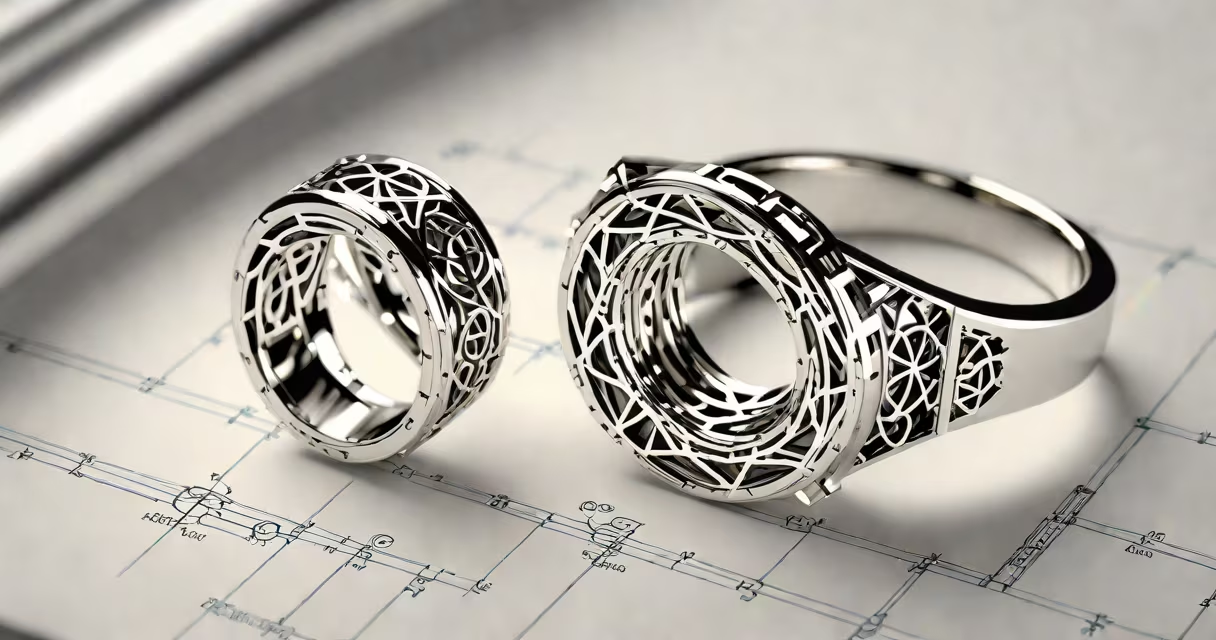
Plated jewelry has a thin layer of precious metal applied over a base metal using electrical current. This creates the appearance of solid gold, silver, or platinum at lower cost.
Electroplating immerses the base metal in a solution containing ions of the plating metal. When electric current passes through the solution, these ions bond to the base metal, creating a uniform coating. The thickness typically ranges from 0.1 to 0.5 microns.
| Type | Common Metals Used | Typical Thickness |
|---|---|---|
| Flash Plating | Gold, rhodium | 0.1-0.3 microns |
| Standard Plating | Gold, silver, platinum | 0.5-1 micron |
| Heavy Plating | Gold, palladium | 1-3 microns |
Most plated jewelry uses gold or rhodium over sterling silver, brass, or copper bases. Rhodium plating, particularly common on white gold jewelry, enhances durability and creates a bright white finish.
Many confuse plating with vermeil, which requires a solid gold layer (at least 2.5 microns) over sterling silver. Vermeil offers better durability and value retention than standard plating.
Plating wears off over time due to friction and exposure to chemicals. The rate depends on plating thickness, base metal reactivity, and wear patterns. A rhodium-plated white gold ring may last years with proper care, while flash-plated fashion jewelry often shows wear within months.
To extend plating lifespan, avoid contact with harsh chemicals, remove jewelry during physical activities, and store pieces separately to prevent scratching. Regular cleaning with a soft cloth maintains the finish.
I once tested durability by wearing three rings simultaneously: a flash-plated fashion ring, a standard gold-plated ring, and a vermeil ring. After six months, the fashion ring showed significant wear, the gold-plated ring had minor wear at pressure points, and the vermeil ring appeared nearly new.
The Federal Trade Commission requires jewelry labeled "gold plated" to have at least 0.175 microns of gold. For "vermeil," the gold layer must be at least 2.5 microns over sterling silver. These standards help consumers identify quality levels.
According to the Jewelers of America, proper care instructions accompany higher-quality plated jewelry, emphasizing the importance of maintenance for longevity.