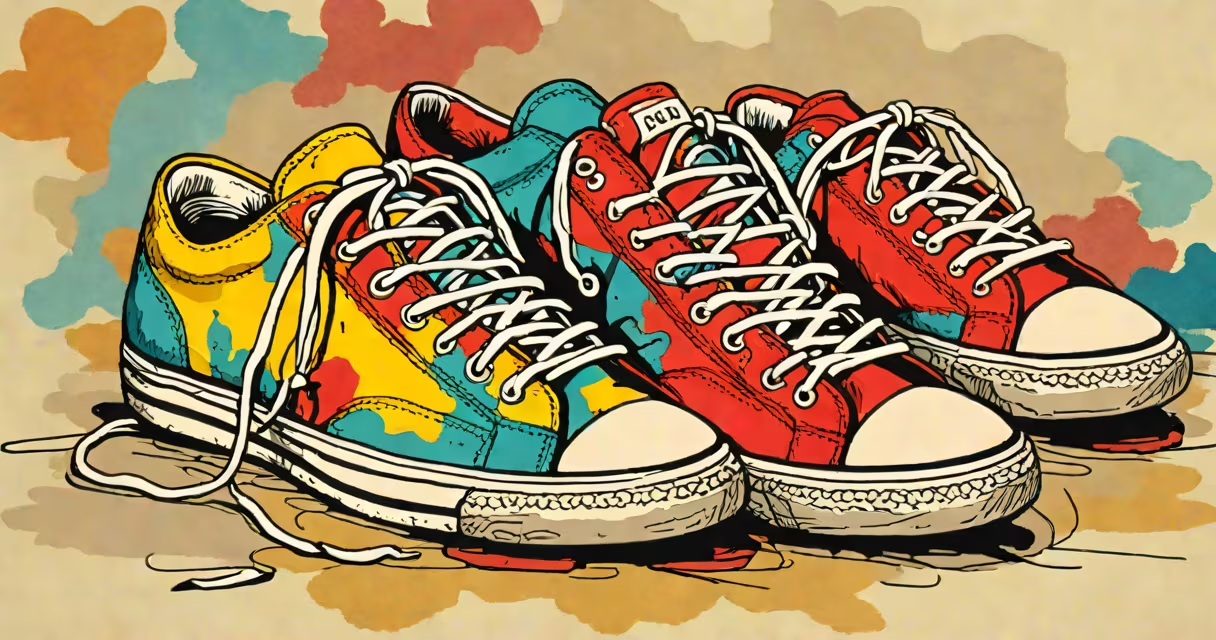
Retro shoes are modern sneakers designed to resemble popular styles from past decades, combining nostalgic aesthetics with contemporary comfort and materials. These kicks often feature exaggerated details like chunky soles, bold colors, and vintage branding.
While both retro and vintage shoes reference past designs, retro sneakers are new iterations inspired by older models. Vintage shoes are originals from previous eras, often sought after by collectors. For example, Nike's Air Jordan 1 Retro is a modern remake of the 1985 original, while a true vintage pair would be the actual 1985 release.
Retro sneakers typically include:
Retro sneakers appeal to wearers for several reasons:
Nostalgia: They evoke memories of childhood or iconic moments in sports and pop culture. The Air Jordan 3, for instance, was famously worn by Michael Jordan during his 1991 championship run.
Style: Their bold designs stand out in modern fashion, pairing well with streetwear, athleisure, and even high-fashion outfits.
Collectibility: Limited releases and collaborations make retro sneakers highly sought after, with some reselling for thousands of dollars.
Many assume retro shoes are simply reissues of old models. However, brands often update them with modern technologies. For example, Adidas' Superstar sneaker has seen multiple retro versions with improved materials and fit while retaining its classic shell toe design.
Another myth is that retro shoes are only for casual wear. In reality, many athletes and influencers wear them for performance and style, such as Kyrie Irving's signature sneakers, which blend retro aesthetics with advanced basketball tech.
I've owned several pairs of retro sneakers, including the classic Air Max 90. While they look like the original 1990 release, the materials and cushioning are far superior to the vintage version. The retro version feels lighter and more supportive, proving that retro doesn't mean outdated.