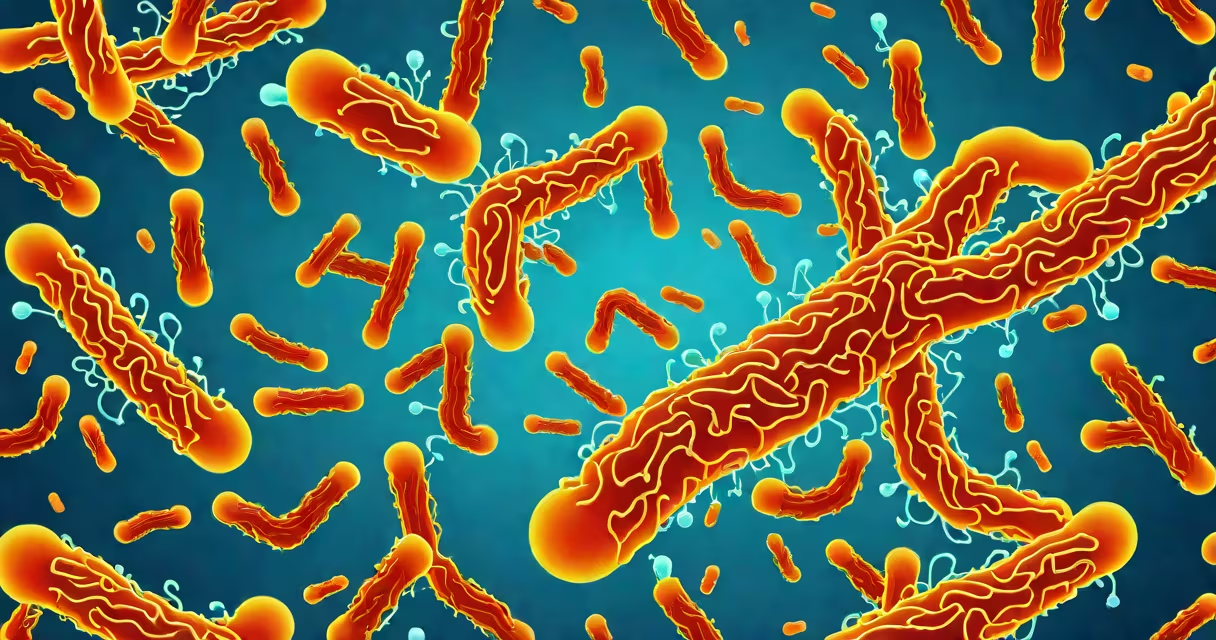
Tuberculosis (TB) is a bacterial infection caused by Mycobacterium tuberculosis that primarily affects the lungs but can spread to other organs. The disease damages tissue, creates cavities, and impairs function.
TB spreads through airborne droplets when an infected person coughs, sneezes, or speaks. The bacteria enter the lungs and multiply inside macrophages, immune cells that normally fight infections. This allows TB to evade the immune system initially.
In most people, the immune system walls off the bacteria in small clusters called granulomas. However, in about 10% of cases, the bacteria break free and cause active TB disease. Without treatment, TB can spread from the lungs to other parts of the body, including the brain, kidneys, and spine.
| Type | Description | Impact |
|---|---|---|
| Latent TB | Bacteria are present but inactive | No symptoms, not contagious |
| Active TB | Bacteria are multiplying and causing disease | Symptoms present, contagious |
| Extrapulmonary TB | Bacteria spread beyond the lungs | Affects other organs, often severe |
Most TB cases involve the lungs (pulmonary TB), but extrapulmonary TB can affect the lymph nodes, bones, joints, and nervous system. The most severe form is TB meningitis, which inflames the membranes around the brain and spinal cord.
The symptoms of active TB depend on the affected organ but often include:
Extrapulmonary TB symptoms vary by location. For example, TB in the spine may cause back pain, while TB in the kidneys can lead to blood in the urine.
Another common mistake is assuming TB only affects the lungs. While pulmonary TB is the most common form, extrapulmonary TB can affect nearly any part of the body, including the skin, eyes, and reproductive system.
TB is treatable with a combination of antibiotics, typically taken for six months or longer. Directly observed therapy (DOT) ensures patients complete their treatment regimen, reducing the risk of drug-resistant strains.
Prevention includes vaccination with the BCG vaccine, which is widely used in countries with high TB rates. However, its effectiveness varies, and it is not routinely used in the United States.
To reduce the risk of TB transmission, healthcare workers and others at high risk may receive preventive treatment with isoniazid or rifampin.
I once visited a clinic in a high-risk area and saw firsthand how TB testing and treatment programs work. The clinic provided free screenings, and those testing positive were immediately connected with treatment resources. This proactive approach helps control the spread of TB in vulnerable communities.