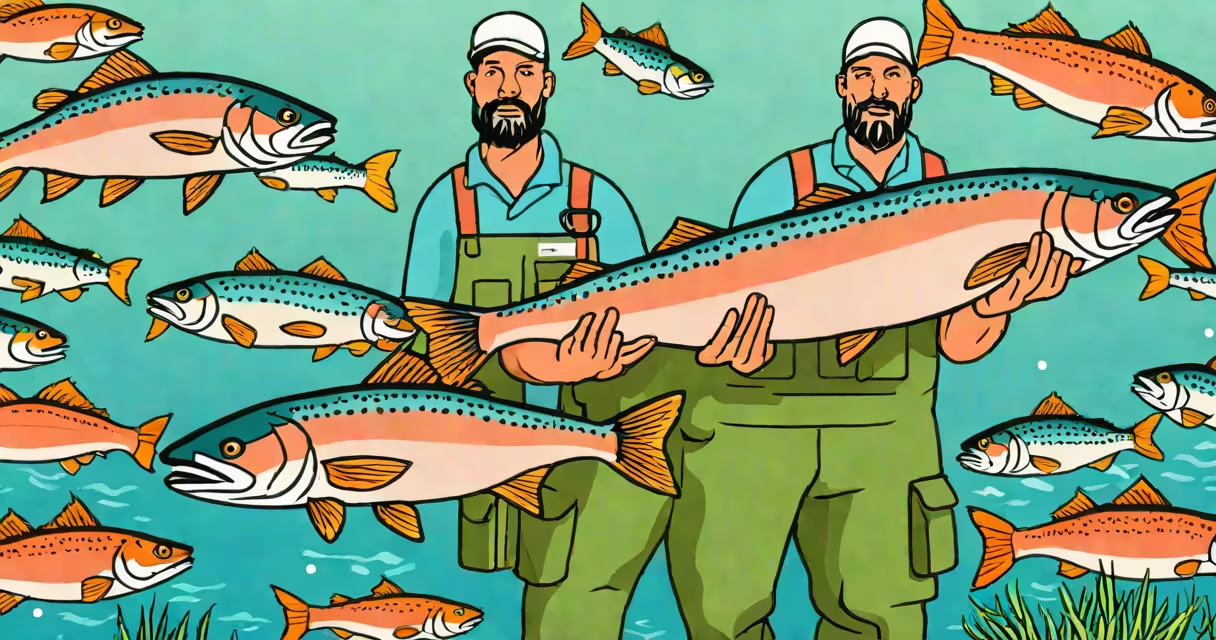
Sustainable fish refers to seafood harvested or farmed in ways that protect marine ecosystems and ensure long-term viability. This includes methods that avoid overfishing, bycatch, and habitat destruction.
Sustainable fishing uses techniques that minimize environmental impact. For example, pole-and-line fishing targets specific species like tuna, reducing accidental catch of other marine life. In contrast, trawling drags large nets across the seafloor, damaging habitats and catching unwanted species.
The most common types of sustainable seafood include:
Certifications like the Marine Stewardship Council (MSC) label ensure wild-caught fish meet sustainability standards. Similarly, the Aquaculture Stewardship Council (ASC) certifies responsibly farmed seafood.
Overfishing depletes fish populations and disrupts marine ecosystems. According to the Food and Agriculture Organization (FAO), about 34% of global fish stocks are overfished. Sustainable practices help maintain fish populations and protect biodiversity.
Choosing sustainable fish supports fisheries that prioritize environmental health. For example, Alaskan salmon fisheries are certified sustainable because they use selective fishing gear and follow strict quotas.
Many people think all wild-caught fish are sustainable. However, some wild-caught methods, like bottom trawling, harm the environment. Farmed fish can also be unsustainable if farms pollute waterways or use antibiotics excessively.
Look for certification labels when buying seafood. The MSC label ensures the fish was caught sustainably, while the ASC label indicates responsible farming practices. Apps like Seafood Watch provide up-to-date recommendations on sustainable choices.
When dining out, ask restaurants about their seafood sourcing. Many eateries now show sustainable options on their menus. By choosing certified sustainable fish, consumers help promote responsible fishing practices and protect ocean health.
I once visited a local fish market and noticed the MSC label on a package of cod. The vendor explained that the cod was caught using line and hook fishing, which minimizes bycatch. This experience reinforced the importance of checking for sustainability certifications.