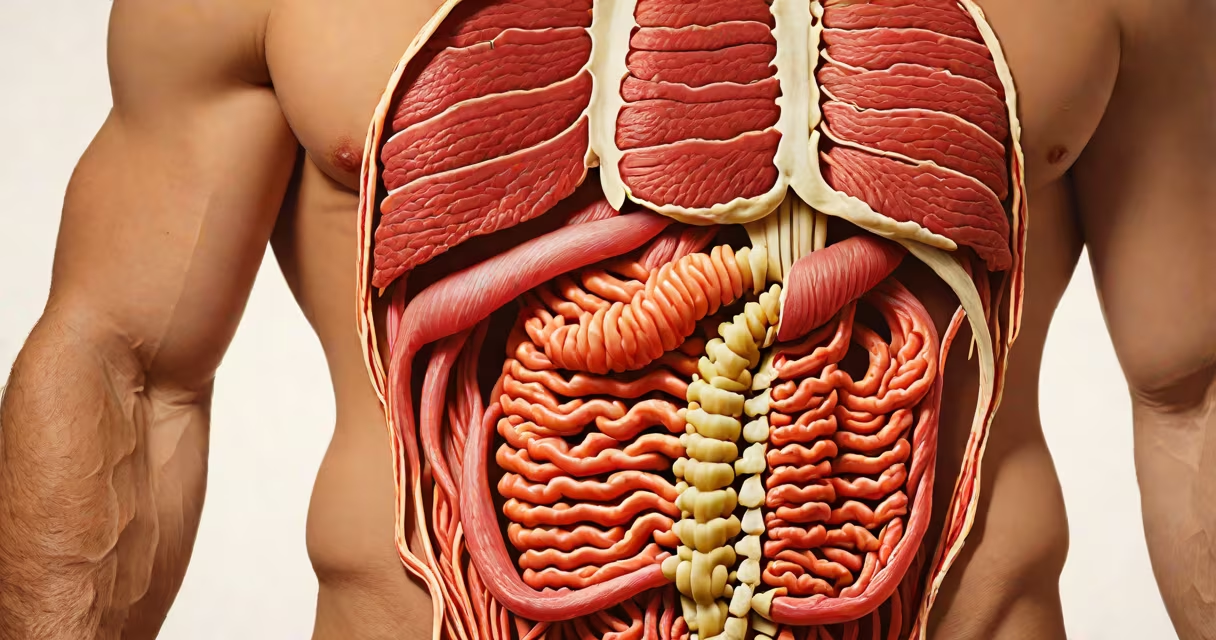
Tenesmus is a condition where you feel an urgent, painful need to have a bowel movement, but passing stool brings little or no relief. It often involves cramping, spasms, and a persistent sensation of incomplete emptying.
Tenesmus happens when the rectum or colon muscles spasm uncontrollably, creating a false urge to defecate. The brain interprets these spasms as a need to go, even if there's little or no stool to pass. This can lead to repeated, unproductive trips to the bathroom.
The most common causes include inflammatory bowel disease (like Crohn's or ulcerative colitis), infections (such as food poisoning or parasitic infections), and cancers affecting the lower digestive tract. Less severe cases may stem from hemorrhoids, anal fissures, or severe constipation.
People often mistake tenesmus for regular bowel urgency or gas. However, tenesmus is distinct because it involves pain and the feeling of incomplete evacuation even after using the toilet. Unlike general abdominal cramps, the discomfort is localized around the rectum and persists.
Imagine you've eaten something that disagreed with your stomach. You suddenly feel an intense, cramping pain in your lower abdomen, followed by an overwhelming urge to use the bathroom. You rush to the toilet, but after straining, little or no stool comes out. The cramping and urgency return moments later-this is tenesmus in action.
If symptoms persist for more than a few days or are accompanied by blood in the stool, fever, or severe pain, seek medical attention. Chronic tenesmus may indicate a serious underlying condition requiring treatment.