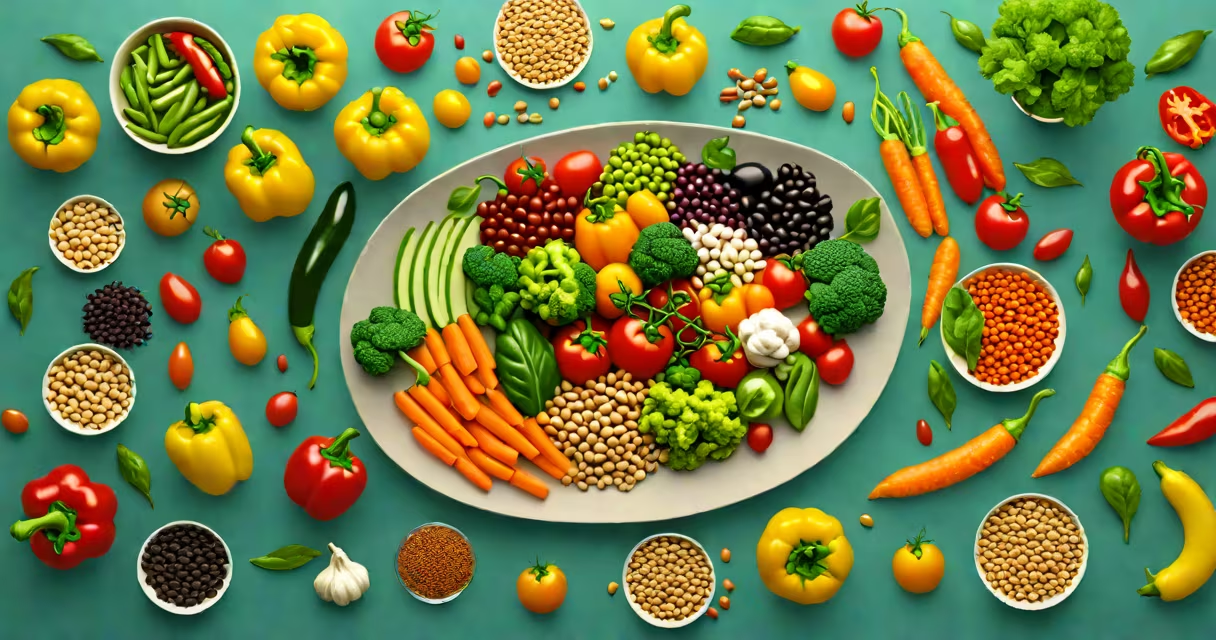
A vegetarian is someone who avoids eating meat, poultry, and fish, typically for health, ethical, or environmental reasons. Vegetarians may consume dairy products and eggs, depending on their specific dietary preferences.
Vegetarianism involves following a plant-based diet that excludes animal flesh. This can include fruits, vegetables, grains, nuts, seeds, and legumes. Some vegetarians also avoid animal-derived products like gelatin, honey, and certain additives.
The primary motivation for vegetarianism varies among individuals. Some choose this lifestyle for health reasons, as plant-based diets are often lower in saturated fat and higher in fiber. Others adopt vegetarianism due to ethical concerns about animal welfare or environmental sustainability.
Not all vegetarians follow the same dietary guidelines. Here are the most common types:
| Type | Dietary Restrictions |
|---|---|
| Lacto-ovo vegetarian | Avoids meat, poultry, and fish but includes dairy and eggs |
| Lacto vegetarian | Avoids meat, poultry, fish, and eggs but includes dairy |
| Ovo vegetarian | Avoids meat, poultry, fish, and dairy but includes eggs |
| Vegan | Avoids all animal products, including meat, poultry, fish, dairy, eggs, and often honey |
Some vegetarians may also avoid animal-derived products like leather, wool, or cosmetics tested on animals.
Many people confuse vegetarianism with other dietary choices. For instance, some believe that vegetarians avoid all animal products, including dairy and eggs. However, this is only true for vegans. Lacto-ovo vegetarians, the most common type, do consume dairy and eggs.
Another misconception is that vegetarian diets are automatically healthy. While plant-based diets can be nutritious, they can also be high in processed foods and sugars if not carefully planned. It's essential to include different whole foods to ensure adequate nutrition.
Research suggests that vegetarian diets can offer several health benefits. According to the Academy of Nutrition and Dietetics, vegetarians may have a lower risk of heart disease, high blood pressure, type 2 diabetes, and certain cancers. Plant-based diets are often rich in fiber, vitamins, and minerals, which can support health.
However, vegetarians must pay attention to potential nutrient deficiencies. Key nutrients to monitor include vitamin B12, iron, calcium, and omega-3 fatty acids. Including fortified foods or supplements can help ensure adequate intake of these nutrients.
I tried a lacto-ovo vegetarian diet for three months to assess its impact on my health and energy levels. I noticed improved digestion and more stable energy throughout the day. However, I had to be mindful of my protein intake and ensured I included sources like beans, lentils, and Greek yogurt in my meals.
Transitioning to a vegetarian diet can be challenging, but with careful planning and different plant-based foods, it's possible to meet nutritional needs and enjoy the benefits of this lifestyle.