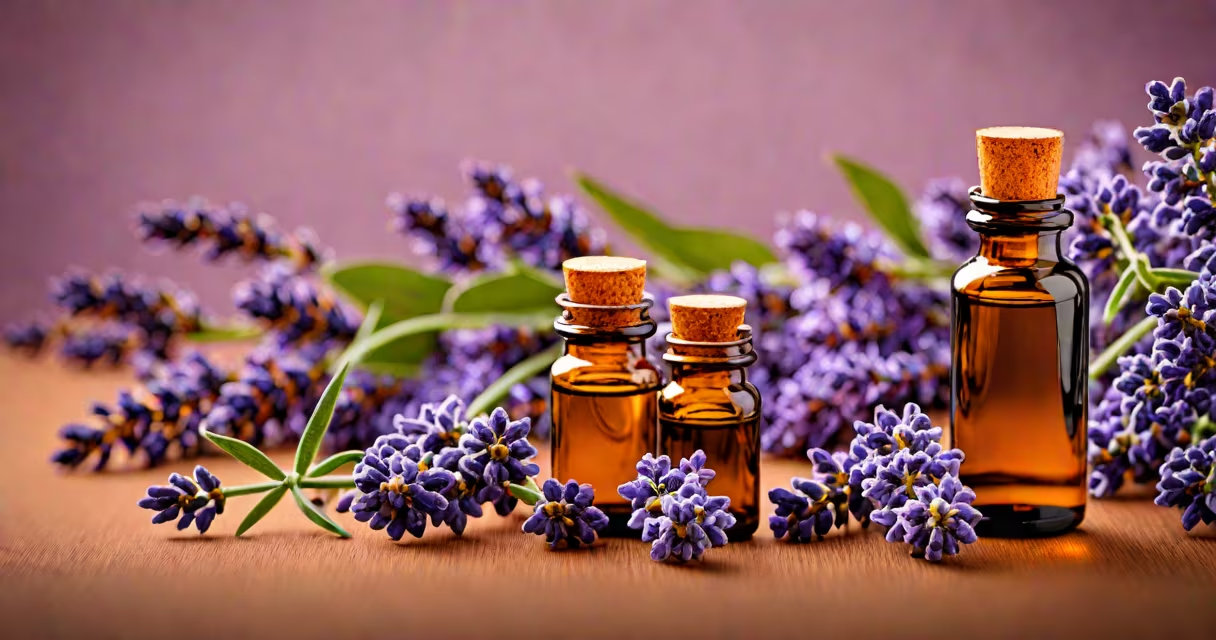
Lavender essential oil reduces anxiety symptoms through aromatherapy, supported by clinical research showing its efficacy in calming the nervous system.
Essential oils interact with the limbic system-the brain's emotional control center-through scent receptors. When inhaled, compounds like linalool in lavender bind to GABA receptors, mimicking effects of anti-anxiety medications but without side effects.
| Oil | Key Compound | Clinical Evidence |
|---|---|---|
| Lavender | Linalool | Reduced anxiety in dental patients (2012 study) |
| Bergamot | Limonene | Lowered cortisol levels in pre-surgery patients (2013) |
| Chamomile | Apigenin | Improved sleep quality in anxious adults (2016) |
Aromatherapy diffusers disperse oils into the air, while topical application requires dilution (3% concentration max). For immediate relief, inhale directly from the bottle or apply to pulse points. I carry a rollerball of lavender oil during flights-its calming effect noticeably reduces turbulence-induced stress.
People often confuse essential oils with fragrance oils, which contain synthetic chemicals and lack therapeutic properties., while some oils help anxiety, none cure underlying conditions like generalized anxiety disorder. The Mayo Clinic warns against ingesting oils without medical supervision.
A 2020 meta-analysis published in Phytotherapy Research analyzed 12 clinical trials involving 1,200 participants. Lavender oil reduced anxiety scores compared to placebos, with effects lasting up to 60 minutes post-inhalation. However, results varied based on administration method and individual sensitivity.