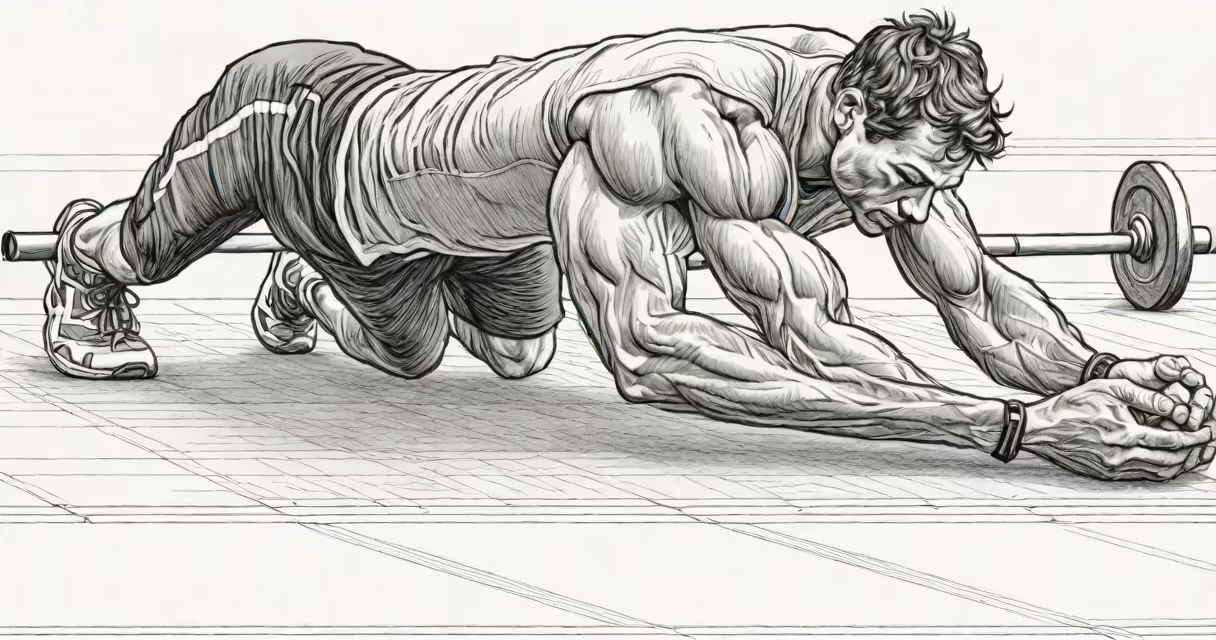
Ab exercises are movements targeting the rectus abdominis, transverse abdominis, and obliques. Effective ab workouts combine compound movements, isolation exercises, and stability challenges.
Ab exercises work by creating tension in the core muscles through resistance, use, or instability. The rectus abdominis (six-pack muscles) flexes the spine, while the transverse abdominis stabilizes it. Obliques rotate the torso and flex it laterally.
Most effective ab exercises involve:
The most effective ab exercises fall into three categories:
| Category | Examples | Primary Muscles Worked |
|---|---|---|
| Compound Movements | Deadlifts, squats, overhead presses | Rectus abdominis, obliques, transverse abdominis |
| Isolation Exercises | Crunches, leg raises, bicycle crunches | Rectus abdominis, obliques |
| Stability Challenges | Planks, side planks, pallof presses | Transverse abdominis, obliques |
Ab exercises appear in fitness routines for strength, aesthetics, and functional movement. Athletes use them for core stability, while general fitness enthusiasts often prioritize them for visible abs.
Research shows that compound movements like deadlifts and squats engage the core more effectively than isolation exercises alone. However, isolation exercises remain valuable for targeting specific areas of the abs.
For visible abs, ab exercises must be combined with a low body fat percentage. Even the best ab workouts won't show results without proper nutrition and fat loss.
Many people believe spot reduction works-the idea that doing endless crunches will burn belly fat. This is false. Fat loss occurs uniformly across the body through diet and exercise.
Another myth is that sit-ups are the best ab exercise. While they work the rectus abdominis, they also strain the lower back. Planks and other stability exercises often provide better core engagement with less risk.
Here's a balanced ab workout combining compound movements, isolation exercises, and stability challenges:
This routine targets all areas of the core while minimizing strain on the lower back. Adjust weights and reps based on your fitness level.