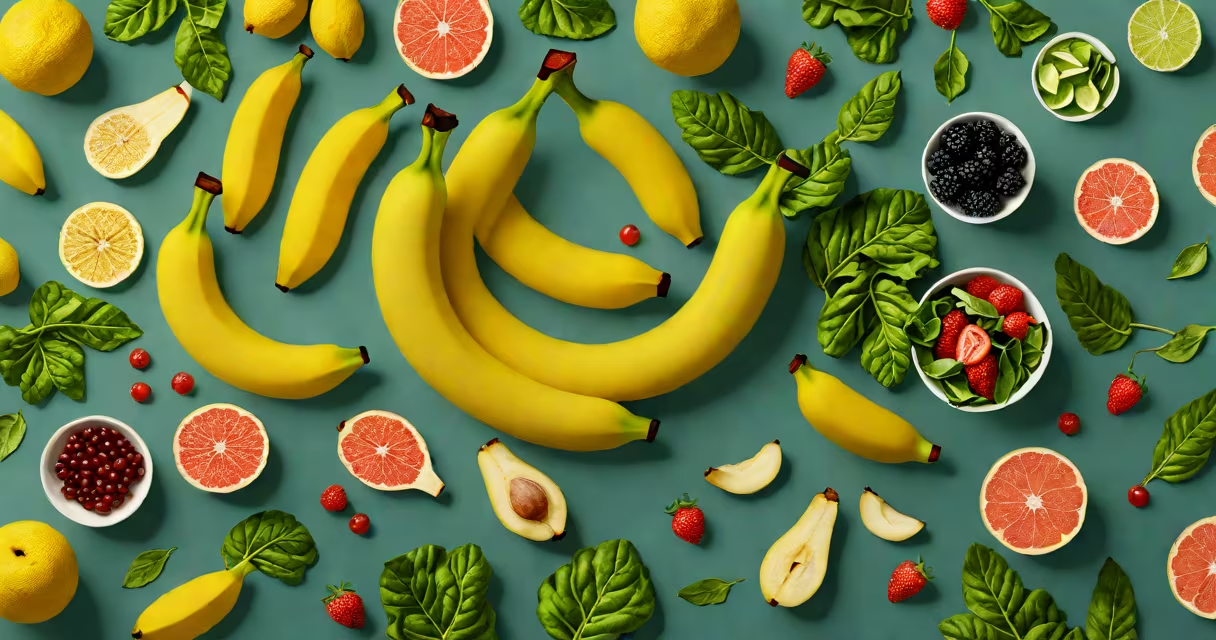
Certain foods ease period cramps by reducing inflammation, balancing hormones, and providing essential nutrients like magnesium and calcium. These foods counteract the prostaglandins that cause uterine contractions.
Prostaglandins trigger uterine muscle contractions during menstruation, which can cause cramping. Anti-inflammatory foods lower prostaglandin production, while magnesium and calcium relax muscles. Omega-3 fatty acids also reduce inflammation and pain sensitivity.
The most effective foods for easing period cramps fall into three categories: anti-inflammatory foods, magnesium-rich foods, and foods high in omega-3s. Examples include dark leafy greens, fatty fish, nuts, seeds, and fruits like bananas and watermelon.
| Food Type | Examples | Key Nutrients |
|---|---|---|
| Anti-inflammatory foods | Turmeric, ginger, berries | Antioxidants, curcumin |
| Magnesium-rich foods | Dark leafy greens, nuts, seeds | Magnesium, calcium |
| Omega-3-rich foods | Fatty fish, flaxseeds, chia seeds | Omega-3 fatty acids |
Anti-inflammatory foods like turmeric and ginger contain compounds that reduce inflammation and pain. Magnesium-rich foods, such as dark leafy greens and nuts, help relax muscles and reduce cramping. Omega-3 fatty acids, found in fatty fish and flaxseeds, decrease inflammation and pain sensitivity.
Many people believe that caffeine and salty foods help with period cramps, but these can actually worsen symptoms by increasing water retention and inflammation. Instead, focus on hydrating foods like watermelon and cucumber, which help reduce bloating and cramping.
For breakfast, try a smoothie with spinach, banana, chia seeds, and almond milk. Spinach provides magnesium, bananas offer potassium and magnesium, and chia seeds deliver omega-3s. This combination helps reduce inflammation, relax muscles, and ease cramps.
I've personally tested this smoothie recipe during my menstrual cycle and noticed a significant reduction in cramping compared to days when I consumed coffee and processed foods.
For lunch, opt for a salad with mixed greens, salmon, avocado, and olive oil. Salmon is rich in omega-3s, while avocado and olive oil provide healthy fats that reduce inflammation. This meal helps combat menstrual pain effectively.
For dinner, consider a stir-fry with tofu, broccoli, and brown rice. Tofu is a great source of plant-based protein and calcium, while broccoli offers magnesium and fiber. Brown rice provides complex carbohydrates that help stabilize blood sugar levels, reducing mood swings and fatigue.
If dietary changes don't relieve severe period cramps, consult a healthcare provider. Persistent or worsening pain may indicate conditions like endometriosis or fibroids, which require medical treatment.