Certain foods contribute to dementia risk through mechanisms like inflammation, oxidative stress, and vascular damage, while others protect against cognitive decline.
Diet influences dementia through multiple pathways. Processed foods often contain trans fats, advanced glycation end products, and additives that promote neuroinflammation. The Journal of Alzheimer's Disease reports that diets high in these components correlate with accelerated cognitive decline. Conversely, foods rich in antioxidants, healthy fats, and polyphenols support neuronal function and reduce amyloid plaque formation.
| Food Category | Key Examples | Mechanism |
|---|---|---|
| High-risk foods | Processed meats, fried foods, pastries, sugary drinks | Promote oxidative stress and inflammation |
| Moderate-risk foods | Red meat, butter, cheese, refined grains | Contribute to insulin resistance and vascular damage |
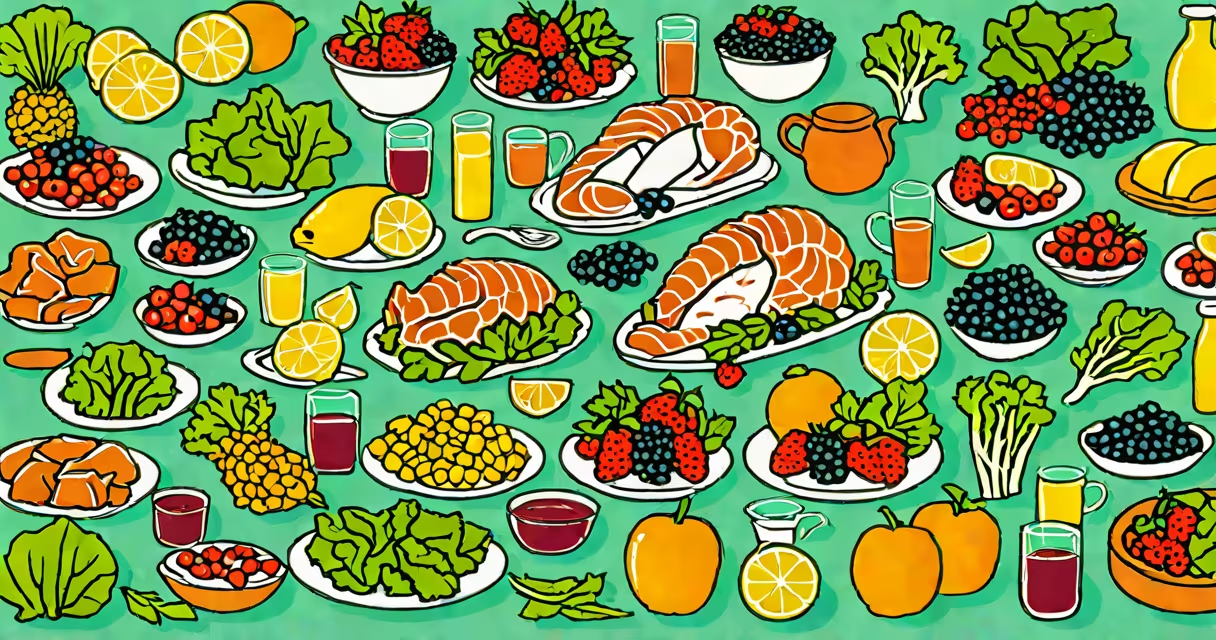
| Protective foods | Leafy greens, berries, fatty fish, nuts, olive oil | Provide neuroprotective antioxidants |
Many assume all fats are harmful, but monounsaturated fats in olive oil actually protect against cognitive decline. A 2019 study in Neurology found that Mediterranean diets rich in these fats reduced dementia risk by 28%. Similarly, while sugar gets blamed, it's the combination of sugar and processed fats that creates the most harm.
Consider two breakfast options: a donut with coffee versus Greek yogurt with walnuts and berries. The donut contains trans fats and refined sugar, which trigger inflammation and insulin spikes. The yogurt bowl provides protein, omega-3s, and antioxidants that support brain function. Over time, these small daily choices compound to affect dementia risk.
While no single food causes or prevents dementia, cumulative dietary patterns create either protective or harmful effects. The Spanish diet offers one model of how traditional eating patterns incorporate many protective foods.