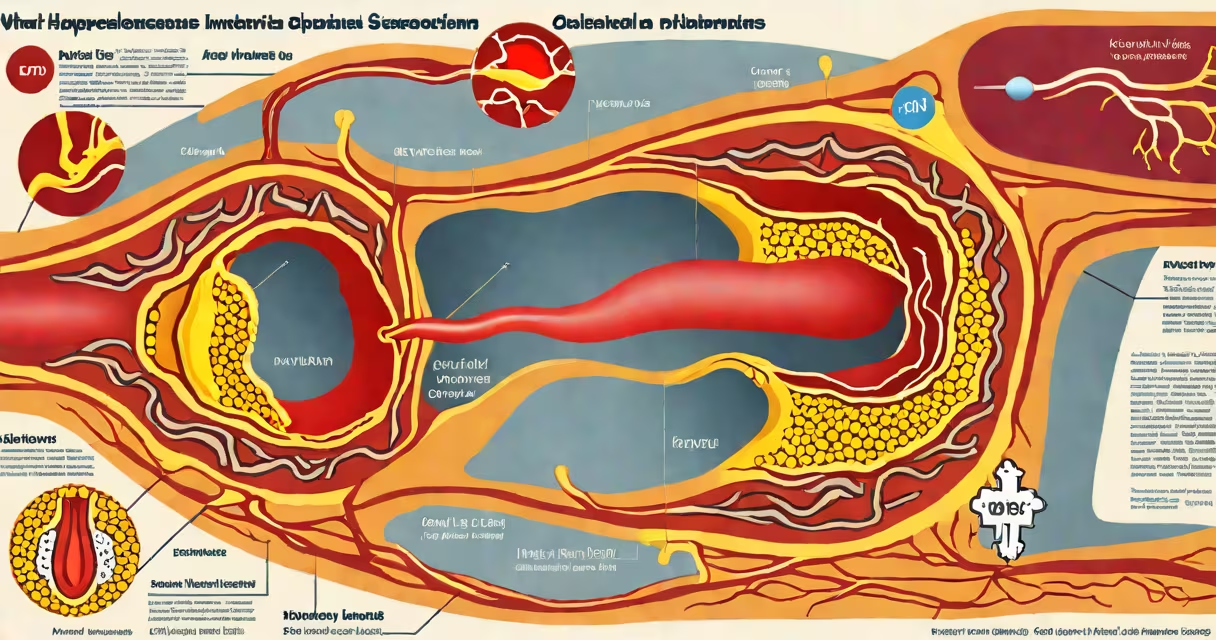
Atherosclerosis is a progressive disease where fatty substances build up inside artery walls, hardening them over decades. This process narrows blood vessels and restricts circulation.
The disease begins with damage to the endothelium, the inner lining of arteries. This injury triggers inflammation, attracting low-density lipoprotein (LDL) cholesterol to accumulate. Over time, these deposits form fatty streaks that harden into fibrous plaques.
As plaques grow, they may calcify, making arteries stiff and inflexible. This reduces their ability to dilate properly in response to increased blood flow demands. The entire process can take 20-30 years before symptoms appear.
| Type | Composition | Risk Level |
|---|---|---|
| Fatty streak | Mostly cholesterol | Low |
| Fibrous plaque | Cholesterol covered by fibrous tissue | Moderate |
| Complicated lesion | Calcified, may have blood components | High |
Atherosclerosis typically develops in medium and large arteries. The coronary arteries (supplying the heart) are particularly vulnerable, followed by those in the legs, neck, and kidneys. The aorta, the body's largest artery, often shows extensive plaque formation.
According to the American Heart Association, atherosclerosis affects nearly half of Americans aged 45-54, rising to 80-90% in those over 65.
Many people believe atherosclerosis is primarily caused by high cholesterol levels alone. While LDL cholesterol plays a significant role, other factors contribute equally: chronic inflammation, high blood pressure, smoking, diabetes, and genetic predisposition.
Another myth is that symptoms always appear suddenly. In reality, most atherosclerosis progresses silently until a major event like a heart attack or stroke occurs.
During medical training, I examined cross-sections of human arteries. One specimen from a 70-year-old showed nearly 70% occlusion in the coronary artery, yet the patient had reported no symptoms before passing from unrelated causes. This demonstrated how insidious atherosclerosis can be.
For another perspective on slow-progressing conditions, see what happens during a 72-hour fast.
The National Institutes of Health recommend lifestyle changes to prevent progression: Mediterranean diet, regular exercise, maintaining healthy weight, and avoiding tobacco. Statins and other medications may help lower LDL cholesterol levels.
Regular screenings for adults over 40 can detect early signs through ultrasound or CT scans, allowing for timely intervention.