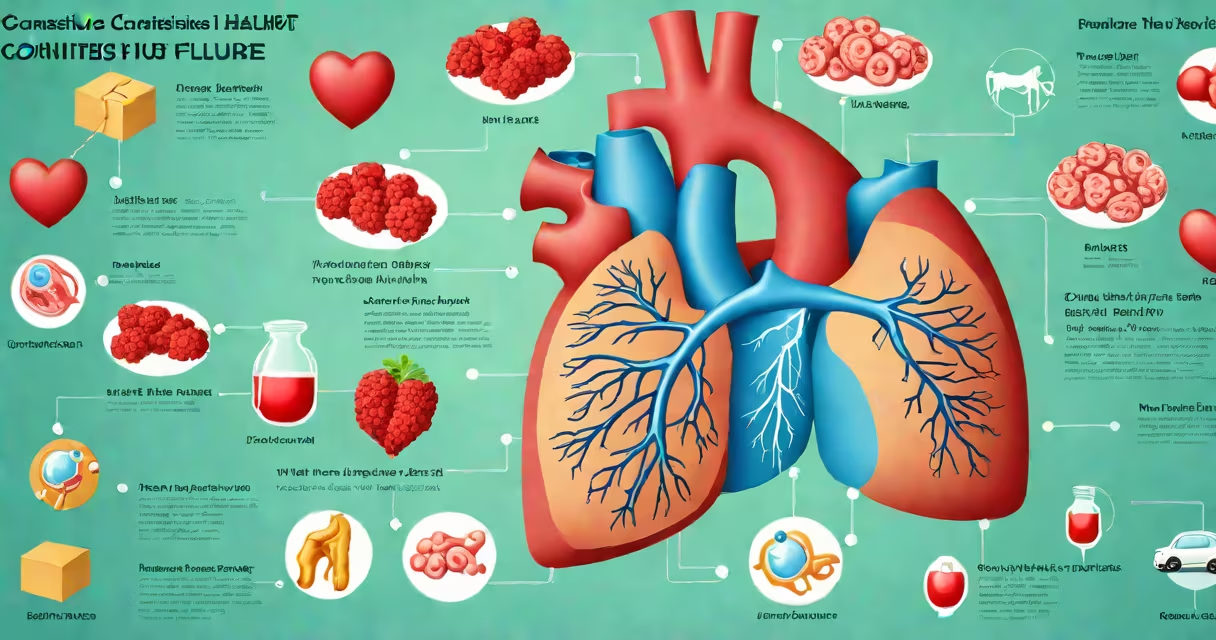
Congestive heart failure occurs when the heart muscle weakens and can't pump blood efficiently, causing fluid to build up in the body. This leads to symptoms like shortness of breath, fatigue, and swelling in the legs and ankles.
The heart's left ventricle, responsible for pumping oxygen-rich blood to the body, loses its ability to contract effectively. Over time, the heart compensates by enlarging or thickening, but this makes it even less efficient. The American Heart Association notes that this weakening can happen gradually or suddenly due to conditions like coronary artery disease or high blood pressure.
| Type | Description |
|---|---|
| Systolic failure | The heart can't contract strongly enough to pump blood |
| Diastolic failure | The heart can't relax and fill properly between beats |
Fluid backs up into the lungs (pulmonary edema), causing shortness of breath. It also pools in the legs, abdomen, and other tissues due to poor circulation. The Mayo Clinic explains that this congestion happens because the weakened heart can't push blood forward efficiently, leading to increased pressure in veins.
Many people think congestive heart failure means the heart stops working entirely. In reality, it's a chronic condition where the heart keeps functioning but not well enough to meet the body's needs. Another mistake is assuming it only affects older adults-while risk increases with age, younger people can develop it too, often due to untreated high blood pressure or heart valve disorders.
For example, a 50-year-old with untreated hypertension may develop congestive heart failure over time as their heart struggles to pump against high arterial pressure. Symptoms like fatigue and swelling may appear gradually, often dismissed as normal aging.
At its most severe, congestive heart failure can lead to life-threatening complications like arrhythmias or kidney damage. Treatment focuses on managing symptoms and slowing progression through medications, lifestyle changes, and sometimes surgical interventions.
Understanding what happens during congestive heart failure helps patients recognize symptoms early and seek treatment before severe damage occurs. If you suspect heart failure, consult a healthcare provider for evaluation and guidance on managing the condition.