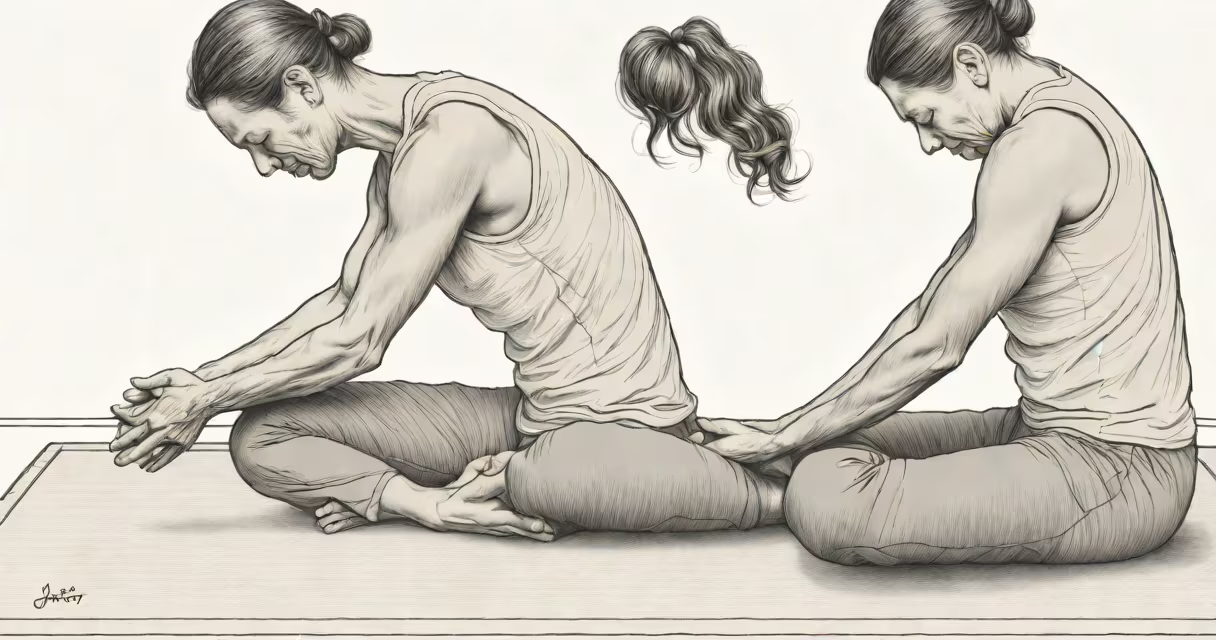
Arthritis in the lower back causes inflammation, stiffness, and pain due to joint degeneration. Effective relief combines targeted exercises, dietary changes, and lifestyle adjustments to reduce symptoms and improve mobility.
Lower back arthritis typically affects the facet joints or the intervertebral discs. Over time, cartilage wears down, leading to bone-on-bone friction, inflammation, and pain. Relief strategies focus on reducing inflammation, strengthening supporting muscles, and improving joint flexibility.
Two primary types affect the lower back:
Risk factors include aging, obesity, genetics, and previous back injuries. Poor posture and sedentary lifestyles worsen symptoms.
Gentle exercises strengthen core muscles, improve flexibility, and reduce pressure on the spine. Recommended routines include:
Physical therapy programs often combine these with manual therapies like massage or ultrasound for added relief.
Anti-inflammatory foods help manage arthritis symptoms. Key options include:
Avoid processed foods, sugary snacks, and excessive red meat, which can trigger inflammation.
Proper posture reduces strain on the lower back. When sitting, use a chair with lumbar support. Stand with feet shoulder-width apart and knees slightly bent. Avoid prolonged sitting or standing in one position.
Many believe rest is the best remedy for lower back arthritis. However, inactivity worsens stiffness and weakens muscles. Gentle movement is important for maintaining mobility and reducing pain.
Another myth is that surgery is always necessary. While severe cases may require intervention, most people find significant relief through non-invasive methods like exercise, diet, and physical therapy.
Consult a healthcare provider if:
A doctor can recommend appropriate treatments, including medication, injections, or referral to a specialist.
For immediate relief of acute pain, see what to do for a pulled lower back.
I managed my lower back arthritis by combining daily walks with anti-inflammatory foods. Adding turmeric to meals and practicing yoga improved my mobility within weeks. Consulting a physical therapist helped tailor exercises to my specific needs.
Effective relief for lower back arthritis focuses on reducing inflammation, strengthening supporting muscles, and improving joint flexibility. A combination of targeted exercises, dietary changes, and proper posture provides long-term benefits. For persistent or severe symptoms, professional medical advice ensures the best outcomes.