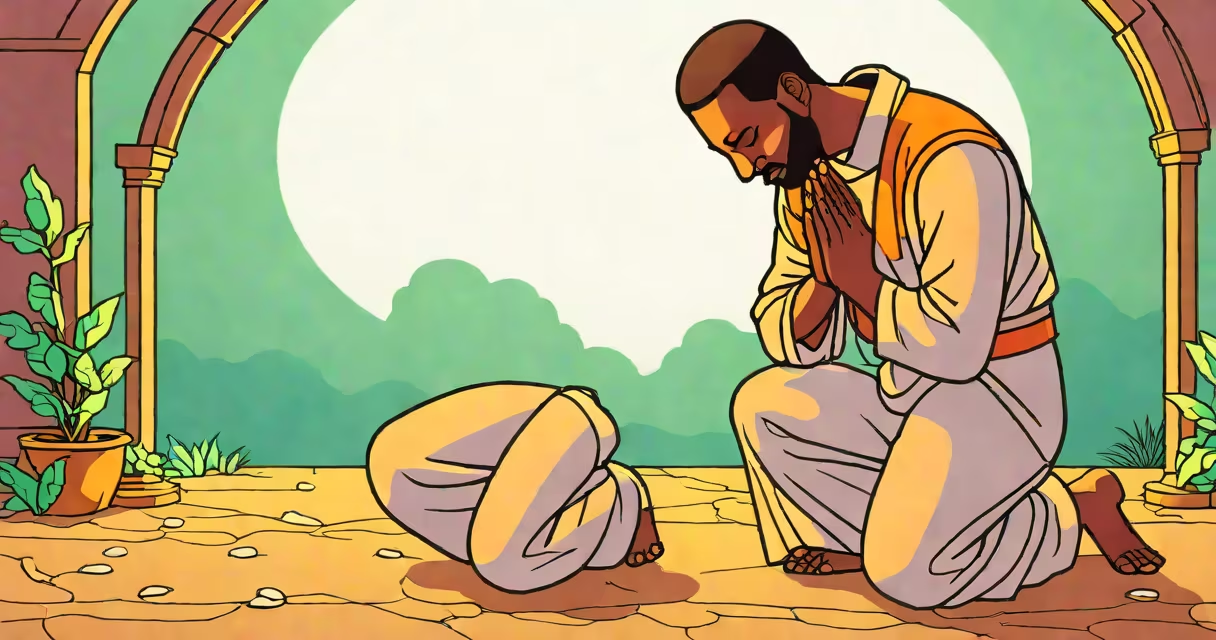
When you surrender to God, you release control to a higher power, trusting in divine guidance rather than relying solely on your own understanding. This act of faith often leads to inner peace, clarity, and a sense of purpose.
Surrender involves acknowledging that you cannot control everything and choosing to trust in a greater plan. It's not about giving up but about aligning your will with what you believe to be divine. This process can involve prayer, meditation, or simply a conscious decision to let go of anxiety and fear.
Surrender can take different forms depending on personal beliefs and practices. Here are three common types:
People turn to surrender in moments of stress, uncertainty, or when facing challenges beyond their control. For example, someone dealing with a serious illness might surrender their fears to God, finding comfort in the belief that they are cared for. Similarly, individuals facing career setbacks or relationship difficulties often find relief in surrendering their worries to a higher power.
Many people confuse surrender with passivity or resignation. However, surrender is an active choice to trust in something greater, which can lead to proactive and positive changes. Another misconception is that surrender requires abandoning personal goals or desires. In reality, it's about aligning those goals with a deeper sense of purpose and trust.
I once faced a situation where I felt overwhelmed by work and personal responsibilities. Instead of trying to manage everything alone, I decided to surrender my anxieties to God through prayer. The result was a profound sense of calm and clarity, allowing me to prioritize my tasks more effectively and approach them with renewed energy.