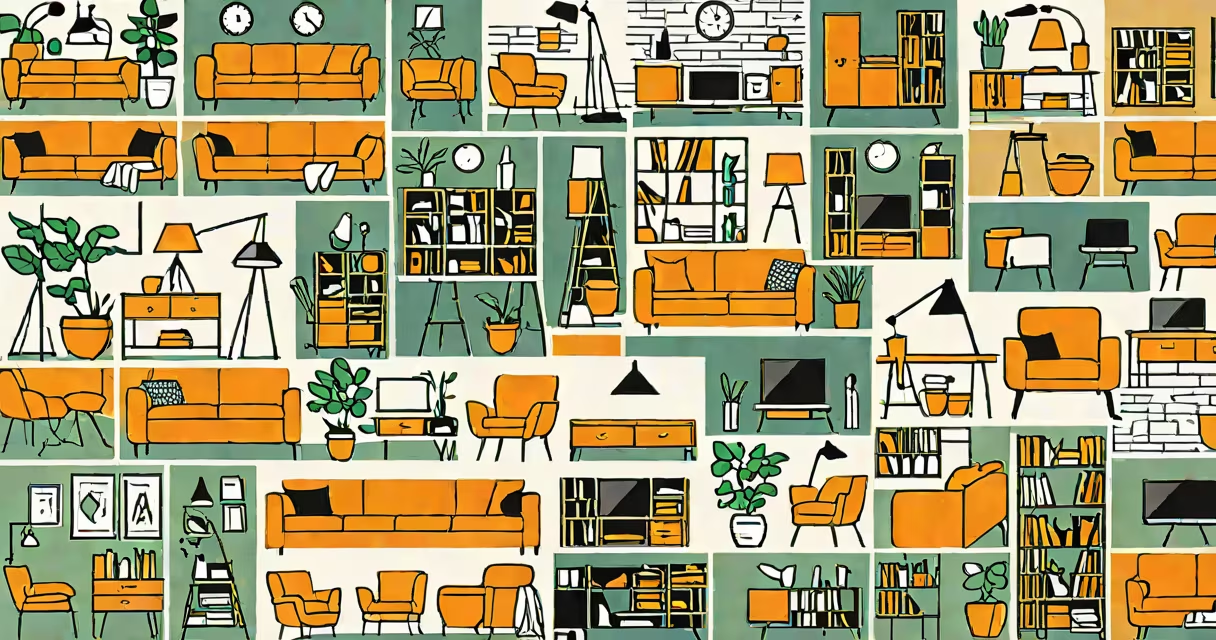
To determine what interior design style you like, analyze your favorite spaces, colors, and furniture shapes, then match them to established styles using online quizzes or mood boards. This process reveals your personal aesthetic preferences.
Interior design styles are visual languages that communicate through color palettes, furniture shapes, materials, and decorative elements. Some people instinctively recognize their preferences, while others need systematic exploration. The 2023 Houzz Interior Design Survey found that 68% of homeowners struggle to define their style, yet 82% feel more confident in their decor choices after identifying it.
Styles often combine elements from multiple movements. A "modern farmhouse" might mix Shaker simplicity with industrial metal accents. The key is identifying which elements appeal to you most. When I helped my sister redesign her living room, we started by collecting images of spaces she admired, then analyzed recurring themes in those images.
| Style Name | Key Characteristics | Example Rooms |
|---|---|---|
| Modern | Clean lines, minimal ornamentation, open spaces | IKEA showroom, Apple Store |
| Traditional | Symmetrical layouts, classic furniture, rich fabrics | British period dramas, historic hotels |
| Industrial | Exposed structures, raw materials, utilitarian elements | Loft apartments, converted factories |
| Bohemian | Eclectic patterns, global influences, layered textures | Vintage shops, artist studios |
Many people confuse "style" with "theme." A theme is a complete package (like "coastal" or "rustic"), while a style refers to broader aesthetic principles that can apply across themes. For example, both a modern farmhouse and a traditional farmhouse share rustic elements, but their underlying styles differ dramatically in furniture proportions and decorative details.
Another mistake is assuming expensive equals stylish. Budget-friendly stores like Target and IKEA offer products in multiple styles, while high-end designers often create one-off pieces that don't fit any category. The key is recognizing quality and craftsmanship regardless of price point.
Begin by creating a digital mood board using Pinterest or Houzz. Collect 20-30 images of spaces you love, then analyze them for common elements:
Next, take online quizzes from reputable design sources like Architectural Digest or Elle Decor. These typically ask about your favorite colors, furniture pieces, and decorative objects, then match your answers to established styles. The Houzz Style Quiz is particularly thorough, analyzing responses against their database of professional designs.
Once you've identified your preferred style, use it to guide purchases and renovations. Start small with decorative elements like throw pillows or wall art, then gradually incorporate larger pieces. Remember that personal style evolves - what appeals to you at 25 might differ from your preferences at 45.
When working with professionals, clear communication about your style preferences helps designers create spaces you'll love. Bring your mood board to consultations and refer to it during the design process. Many designers offer style consultations as standalone services if you're unsure where to begin.