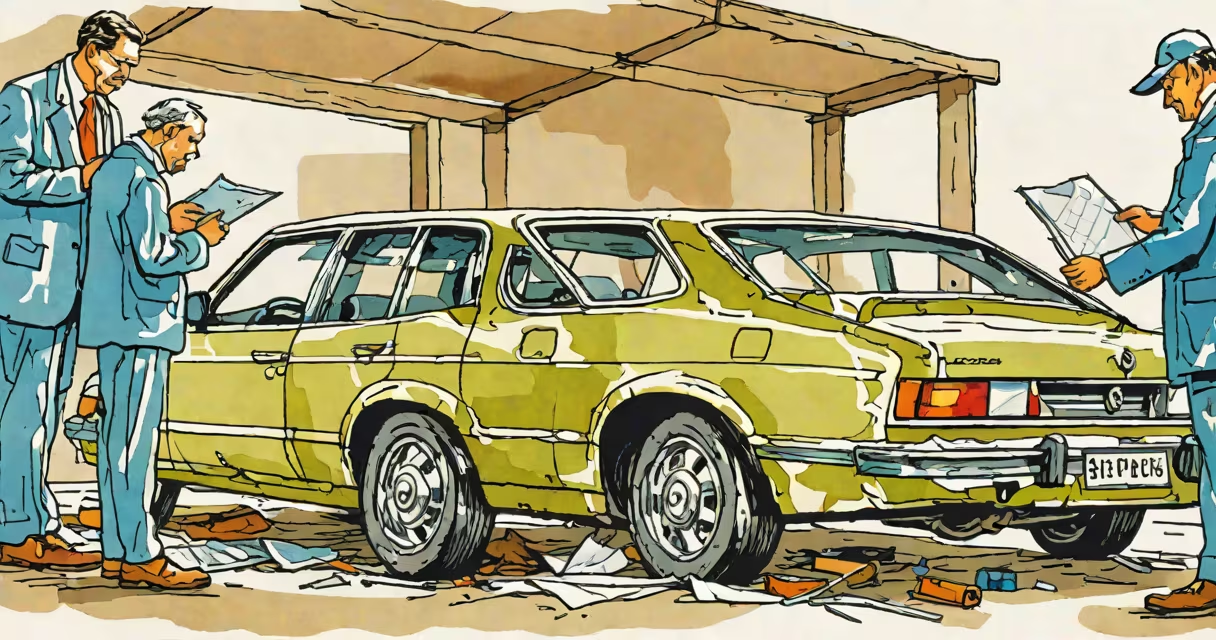
A car insurance claim is a formal request to your insurer for compensation after an accident, theft, or other covered event. The process involves reporting the incident, providing documentation, and receiving payment for repairs or replacement.
When you file a claim, your insurer assigns an adjuster to investigate. The adjuster determines fault, reviews police reports, and estimates repair costs. Once approved, your insurer pays for covered damages minus your deductible.
| Claim Type | Description | Example |
|---|---|---|
| Collision Claim | Damage from a crash with another vehicle or object | Rear-ending another car |
| Complete Claim | Non-collision damage (theft, vandalism, natural disasters) | Hail damaging your roof |
| Liability Claim | Damages you cause to others | Hitting a pedestrian |
| Personal Injury Protection (PIP) | Medical expenses from an accident | Whiplash treatment |
File a claim when damages exceed your deductible or involve liability. For minor issues, paying out-of-pocket avoids premium increases. For example, repairing a $500 dent may cost less than raising your rates by $300 annually.
A car insurance claim is a structured process for recovering accident-related losses. Understanding your coverage and the claims process ensures fair settlements. Always document incidents thoroughly and consult your insurer before deciding whether to file.