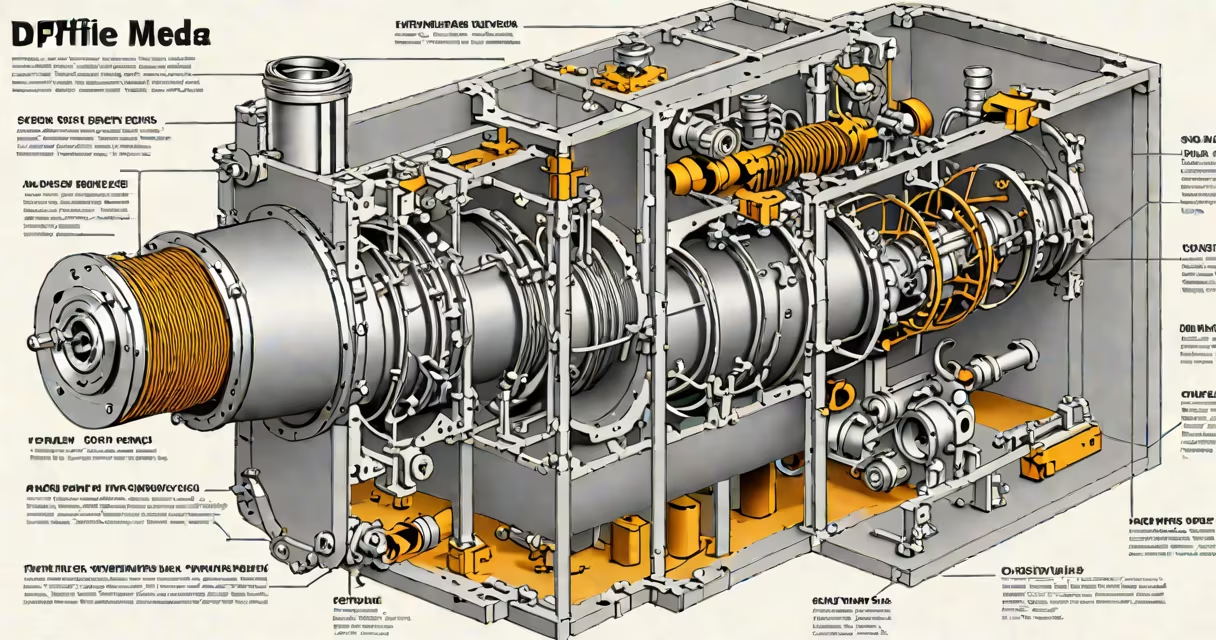
A diesel particulate filter (DPF) is an exhaust system component made of porous ceramic materials that captures soot from diesel engines. These filters use honeycomb structures coated with catalytic materials to trap and burn particulate matter.
DPFs operate through a process called filtration and regeneration. As exhaust passes through the filter, soot particles are trapped in the porous walls. When enough soot accumulates, the filter reaches a high temperature (around 600°C/1112°F) during regeneration, burning off the trapped particles.
Most DPFs are made from one of two primary materials:
| Material | Key Properties | Common Applications |
|---|---|---|
| Cordierite | Lightweight, heat-resistant ceramic with high porosity | Light-duty vehicles, smaller diesel engines |
| Silicon Carbide | Extremely durable, high thermal conductivity | Heavy-duty trucks, industrial engines |
Some advanced DPFs use metal mesh filters, but these are less common due to higher costs and lower efficiency.
Diesel engines produce more soot than gasoline engines, making DPFs essential for meeting emissions regulations like Euro 6 or Tier 4. The U.S. Environmental Protection Agency (EPA) mandates DPFs for most diesel vehicles sold after 2007.
For example, a 2015 Ford F-250 Super Duty uses a DPF to reduce particulate emissions by 80-90%. Without it, the truck would exceed legal limits.
Many people confuse DPFs with catalytic converters, but they serve different purposes. A catalytic converter reduces harmful gases like NOx and CO, while a DPF specifically targets solid particulate matter. Some vehicles have both systems working together.
Another mistake is assuming DPFs are maintenance-free. They require periodic cleaning or replacement, typically every 100,000-150,000 miles depending on driving conditions.
When I serviced a 2018 Chevy Silverado with a clogged DPF, the vehicle's check engine light came on due to restricted exhaust flow. After replacing the filter, the truck ran smoothly again, confirming the importance of proper DPF function.
The EPA and European Automobile Manufacturers' Association (ACEA) set strict standards for DPF efficiency. For instance, Euro 6 requires DPFs to reduce particulate emissions by at least 80%. Non-compliance results in hefty fines for automakers.
Understanding how laws are made explains why these regulations exist-they balance environmental protection with technological feasibility.