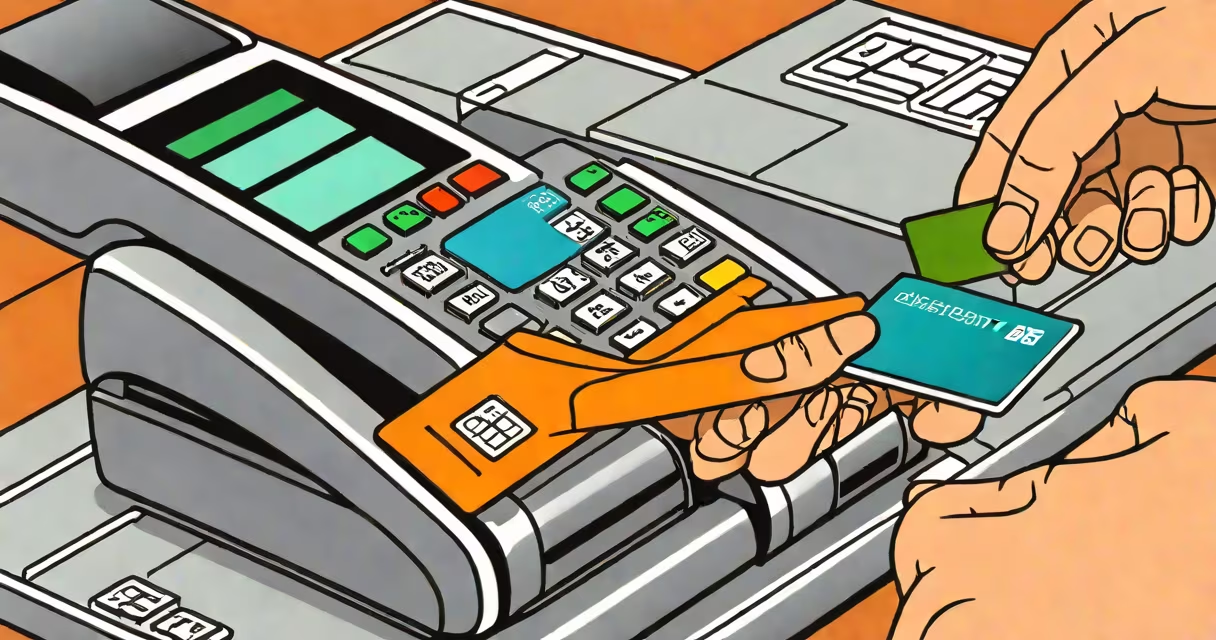
A debit card transaction is an electronic payment processed directly from your bank account using your debit card. Unlike credit cards, which use borrowed money, debit transactions draw funds from your available balance.
When you use your debit card, the transaction follows this path:
This process typically takes seconds, though some high-risk transactions may require additional verification.
| Feature | Debit Card | Credit Card |
|---|---|---|
| Fund Source | Directly from your bank account | From the card issuer's line of credit |
| Impact on Credit Score | None | Can improve score with responsible use |
| Typical Fees | May have ATM withdrawal fees | Annual fees, cash advance fees |
| Fraud Protection | Limited to $50 liability if reported quickly | Zero liability policies common |
Debit cards handle several transaction types:
Each type follows the same core process but may involve different security protocols.
Debit card transactions use multiple security layers:
Despite these protections, debit transactions offer less fraud protection than credit cards. The Federal Trade Commission reports that consumers often recover less money from debit card fraud than credit card fraud.
Debit cards work well for:
Most banks set daily limits on debit card transactions:
These limits help prevent fraud and protect your account. You can usually increase them by contacting your bank.
Debit card transactions appear on your bank statement with:
Some banks provide pending transactions that show up immediately, while others wait until the transaction fully processes.
Some transactions behave differently:
These special cases may take longer to process or appear differently on your statement.