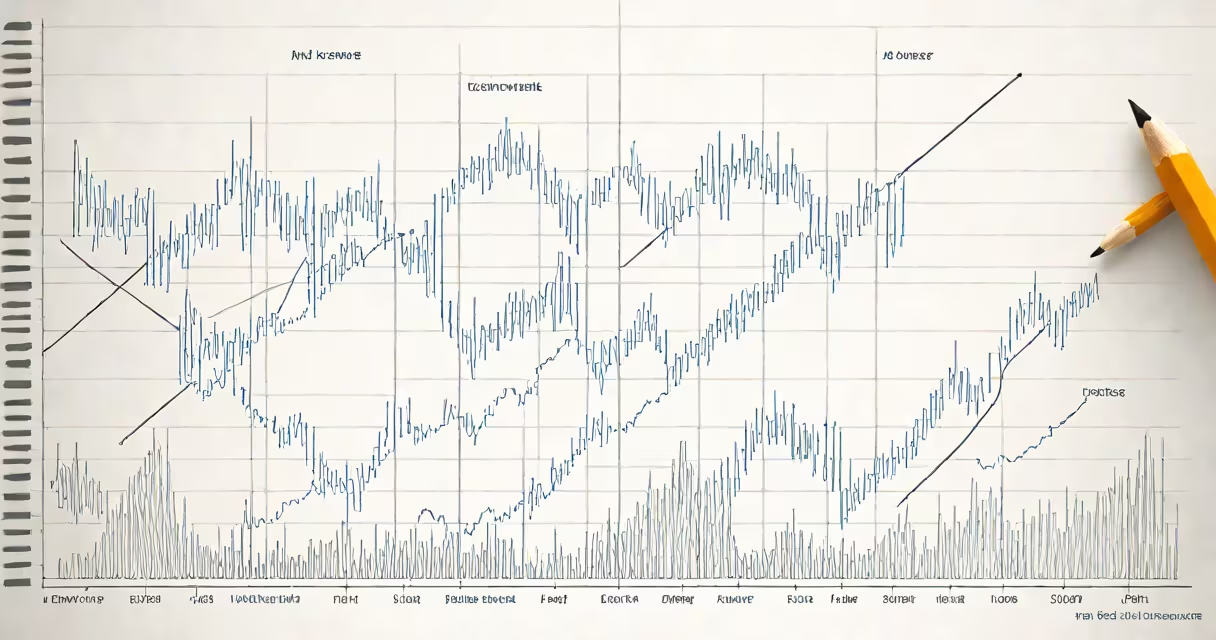
A growth stock is a share in a company expected to grow earnings faster than its industry or the market, while a value stock is undervalued relative to its fundamentals. Growth stocks prioritize capital appreciation, often reinvesting profits to fuel expansion. Value stocks trade below their intrinsic value, offering potential upside when the market corrects the mispricing.
Growth stocks typically come from companies in high-growth industries like technology or biotech. They often pay little or no dividends, as profits are plowed back into research, development, or acquisitions. For example, Amazon in its early years was a classic growth stock, focusing on expanding its e-commerce empire rather than paying dividends.
Value stocks, by contrast, are often mature companies in stable industries. They may pay consistent dividends and have lower price-to-earnings ratios. A value investor might look at a company like IBM, which has experienced periods of being undervalued despite its strong fundamentals.
Growth stocks can be further categorized:
Value stocks include:
Investors use growth stocks to capitalize on market trends and technological advancements. They are popular in bull markets, where investors are optimistic about future earnings. Value stocks are favored in bear markets or during economic downturns, as they offer a margin of safety.
For instance, during the dot-com bubble of the late 1990s, growth stocks like Qualcomm and Cisco were highly sought after. Conversely, during the 2008 financial crisis, value stocks like Bank of America and Citigroup became attractive as their prices fell below intrinsic value.
One common mistake is assuming that growth stocks are always more volatile than value stocks. While this is often true, some growth stocks in stable industries can be less volatile. Similarly, not all value stocks are safe investments; some may be undervalued for a reason, such as poor management or declining industries.
Consider two hypothetical companies: TechInnovate and SteelCorp. TechInnovate is a growth stock with earnings growing at 20% annually, but it pays no dividends. Its stock price is high due to investor excitement about its new products. SteelCorp, however, is a value stock. It has stable earnings but is currently trading at a low price-to-book ratio. A value investor might buy SteelCorp, expecting its stock price to rise as the market recognizes its true value.