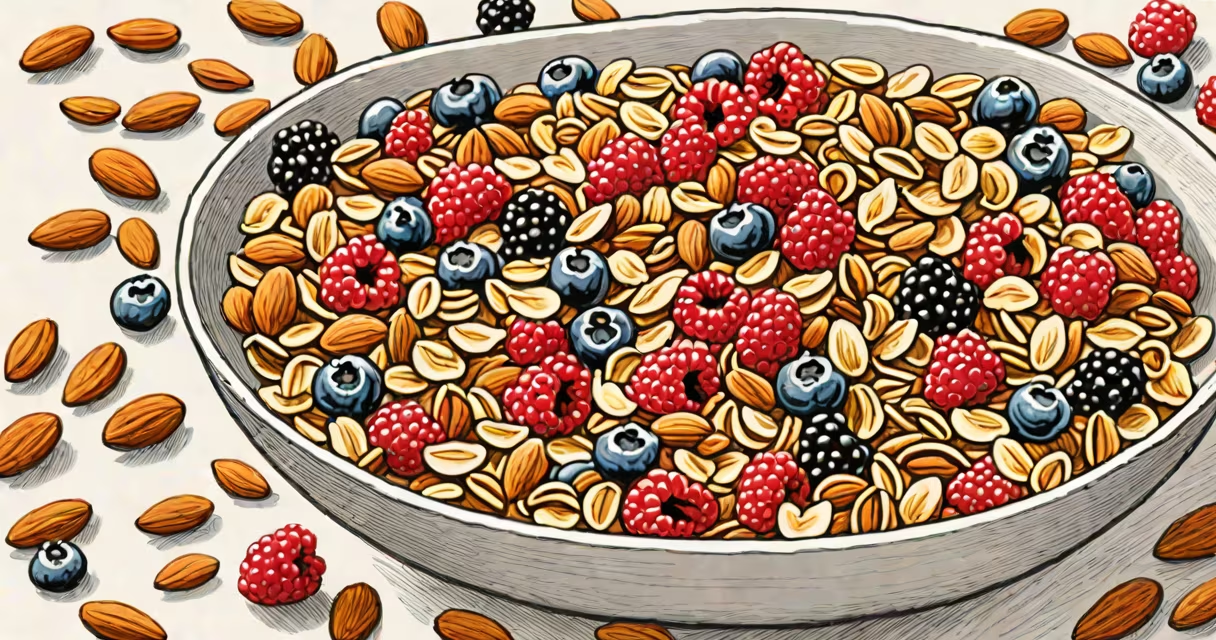
A healthy cereal for weight loss is a low-calorie, high-fiber breakfast option that includes protein to promote satiety and support your weight management goals. These cereals typically contain whole grains, minimal added sugars, and no artificial ingredients.
Healthy cereals for weight loss work by providing sustained energy and keeping you full longer, reducing cravings and overeating throughout the day. The combination of fiber and protein slows digestion, stabilizes blood sugar levels, and helps control appetite. For example, a bowl of oatmeal with berries and nuts can keep you satisfied until lunchtime, preventing mid-morning snacking.
The best cereals for weight loss share common characteristics: they are low in calories, high in fiber, and rich in protein. Here are the main types:
| Type | Key Features | Examples |
|---|---|---|
| Whole-Grain Cereals | High in fiber, low in sugar, made from whole grains | Oatmeal, bran flakes, whole-grain wheat cereals |
| High-Protein Cereals | Contain protein sources like nuts, seeds, or soy | Protein granola, quinoa flakes, hemp seed cereals |
| Low-Calorie Cereals | Fewer than 100 calories per serving, often with added vitamins | Shredded wheat, puffed rice, corn flakes |
These cereals are commonly used as part of a balanced breakfast to kickstart the day with nutrient-dense food. They are particularly useful for those looking to lose weight because they provide essential nutrients without excess calories. For instance, a study published in the journal Nutrients found that individuals who consumed high-fiber cereals for breakfast were less likely to overeat later in the day.
Many people also pair these cereals with other healthy breakfast options, such as Greek yogurt or fresh fruit, to improve their nutritional value. You can find these cereals in most grocery stores, health food markets, or online retailers specializing in healthy foods.
One common misconception is that all cereals marketed as "healthy" are suitable for weight loss. Many commercial cereals, even those labeled as "natural" or "organic," can contain high amounts of added sugars and processed ingredients. Always check the nutrition label for fiber content, protein, and sugar levels to ensure you're choosing a truly healthy option.
Another mistake is assuming that granola is always a healthy choice. While some granolas are high in fiber and protein, many are loaded with sugar and unhealthy fats. Opt for plain granola and add your own healthy toppings, like fresh fruit or a drizzle of honey, to control the sugar content.
Let's say you're looking for a healthy cereal to start your day. You might choose a bowl of plain oatmeal topped with a handful of almonds and blueberries. This combination provides about 300 calories, 6 grams of protein, and 8 grams of fiber. The fiber and protein will keep you full, while the natural sweetness of the berries satisfies your cravings without added sugar.
For a more convenient option, you could select a high-fiber cereal like bran flakes, paired with unsweetened almond milk. This meal offers around 150 calories, 5 grams of protein, and 7 grams of fiber. Both options are excellent choices for a weight-loss-friendly breakfast.
When I first started my weight loss process, I struggled with finding a satisfying breakfast that fit within my calorie goals. After some trial and error, I discovered that a bowl of high-fiber cereal with fresh fruit kept me full and energized until lunchtime. This simple change made a big difference in my morning routine and helped me stay consistent with my diet plan.
Choosing a healthy cereal for weight loss involves looking for options that are low in calories, high in fiber, and rich in protein. By incorporating these cereals into your breakfast routine, you can support your weight management goals while enjoying a nutritious and satisfying meal. Pair them with other healthy foods, like fruits and nuts, to create a balanced breakfast that keeps you full and focused throughout the day.