GPON stands for Gigabit Passive Optical Network, a fiber-optic access system that delivers high-speed internet to homes and businesses using a single fiber cable split into multiple connections.
GPON uses a point-to-multipoint architecture where a single optical line terminal (OLT) at the service provider's central office connects to multiple optical network terminals (ONTs) at customer premises. The system uses passive splitters to divide the signal without requiring electrical power, making it highly efficient and cost-effective.
The OLT sends downstream data to all ONTs simultaneously using a broadcast method. For upstream traffic, ONTs transmit data to the OLT using time-division multiplexing (TDM), ensuring each connection gets dedicated bandwidth when needed.
A typical GPON system consists of:
GPON technology is widely deployed in both residential and business environments to provide high-bandwidth services such as:
According to the Fiber to the Home Council, GPON accounts for about 60% of all fiber deployments worldwide, making it the most common fiber access technology.
While GPON shares similarities with other fiber optic technologies like Ethernet Passive Optical Network (EPON) and Active Optical Network (AON), it offers several advantages:
| Feature | GPON | EPON | AON |
|---|---|---|---|
| Maximum distance | 20 km | 10 km | 2 km |
| Split ratio | 1:128 | 1:32 | 1:8 |
| Downstream speed | 2.5 Gbps | 1.25 Gbps | 10 Gbps |
| Upstream speed | 1.25 Gbps | 1.25 Gbps | 10 Gbps |
One common misconception is that GPON is only suitable for short distances. In reality, GPON can support distances up to 20 kilometers, making it ideal for both urban and rural deployments.
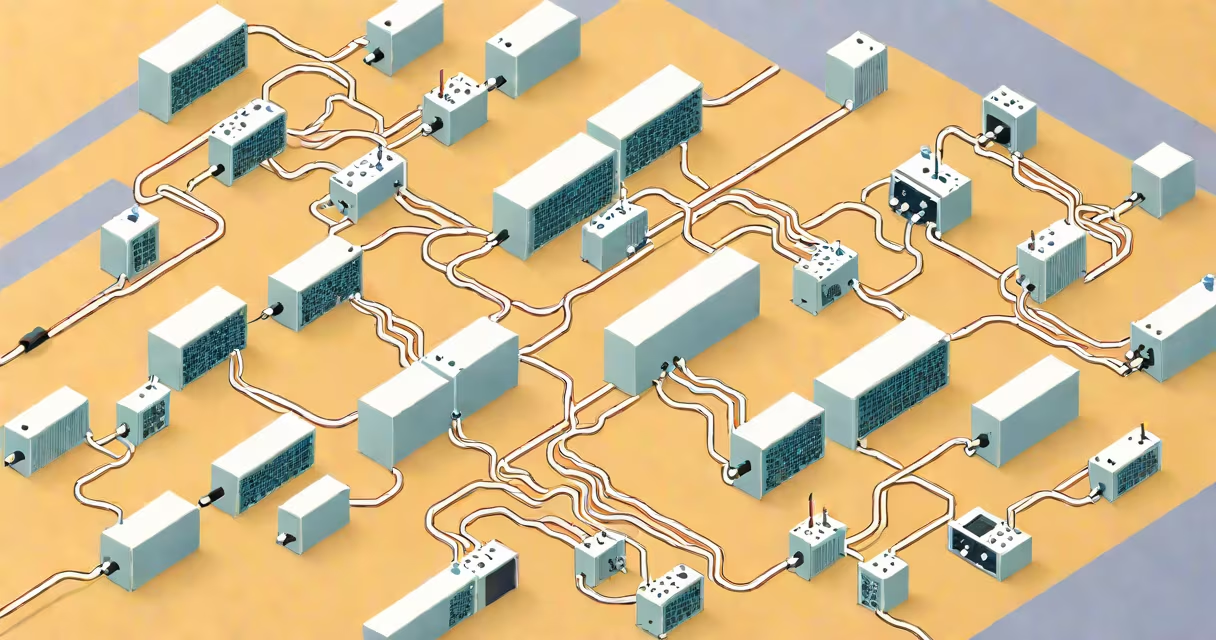
When I visited a local internet service provider's facility, I saw firsthand how GPON equipment is organized. The OLTs were neatly arranged in racks, with fiber optic cables neatly bundled and labeled. The technician explained that each OLT could serve hundreds of customers, with the passive splitters allowing for easy expansion as demand grows.
GPON technology is important for delivering high-speed internet services to millions of users worldwide. Its efficiency, scalability, and cost-effectiveness make it the preferred choice for both service providers and consumers seeking reliable broadband connections.