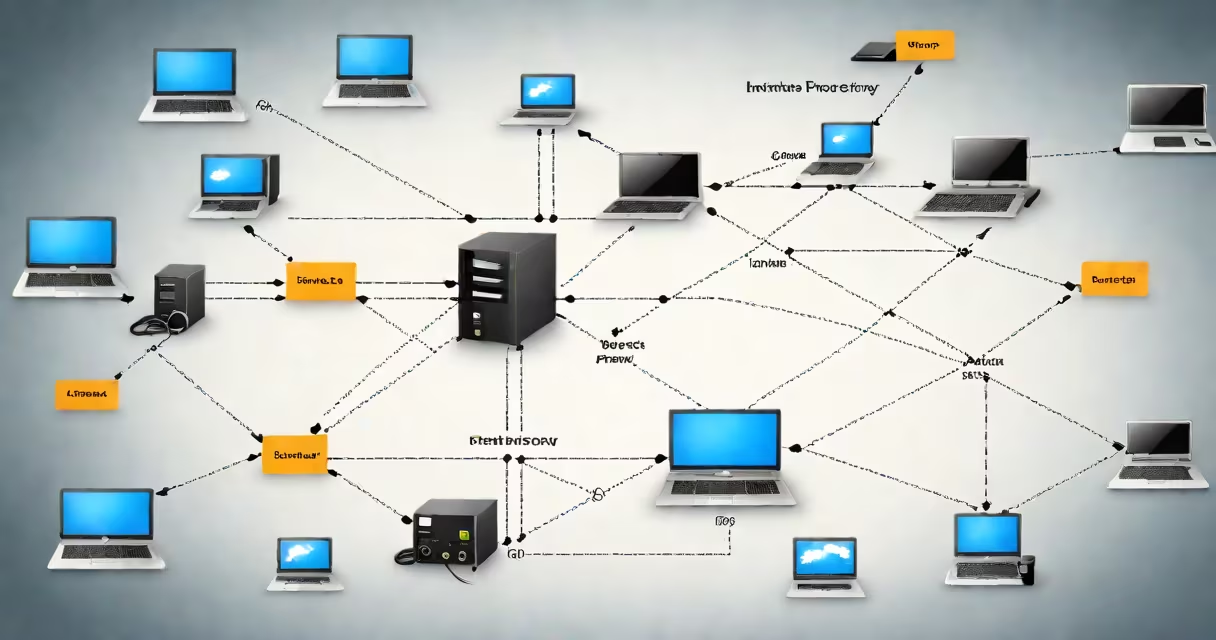
A private proxy is a dedicated intermediary server that routes your internet traffic through its own IP address, masking your real location and identity. Unlike shared proxies, private proxies allocate a single IP address to one user, providing better security and performance.
When you connect to the internet through a private proxy, your request goes to the proxy server first. The proxy then forwards it to the destination website and returns the response to you. This process hides your real IP address, making it appear as though the request came from the proxy's IP instead.
For example, if you're in New York but use a private proxy located in London, websites will see your requests coming from a London-based IP address. This can help bypass geo-restrictions or access region-locked content.
Private proxies come in different configurations, each suited for specific tasks:
| Type | Use Case | Key Feature |
|---|---|---|
| HTTP Proxy | Web browsing | Handles HTTP traffic only |
| HTTPS/SSL Proxy | Secure browsing | Encrypts data between you and the proxy |
| SOCKS Proxy | High-speed connections | Supports multiple protocols beyond HTTP |
Private proxies are often used for tasks requiring anonymity, security, or access to restricted content. Some common applications include:
For instance, a business might use private proxies to gather competitor pricing data without revealing its identity. Similarly, individuals may use them to access streaming services unavailable in their country.
Private proxies differ from shared proxies in key ways:
For example, if you're using a shared proxy and another user gets their IP banned for violating a website's terms, your access could also be blocked. With a private proxy, this risk is eliminated.
To use a private proxy, you'll typically need to configure your device or application to route traffic through the proxy server. This involves entering the proxy's IP address and port number into your system or browser settings.
I once set up a private proxy for a project requiring anonymous data collection. After purchasing a dedicated proxy from a reputable provider, I configured my browser to route traffic through the proxy's IP address. The setup took less than five minutes, and the results were immediate-faster speeds and no more blocked requests.
When selecting a private proxy service, consider factors like:
While private proxies improve anonymity and security, they aren't foolproof. Some limitations include:
For instance, Netflix actively blocks proxy traffic, making it difficult to access region-locked content even with a private proxy. Always check a website's terms of service before attempting to bypass restrictions.
A private proxy is a useful tool for maintaining online privacy, accessing restricted content, and managing multiple accounts securely. By routing your internet traffic through a dedicated server, private proxies offer better performance and security than shared alternatives. Whether for personal use or business applications, understanding how private proxies work can help you make informed decisions about your online activities.