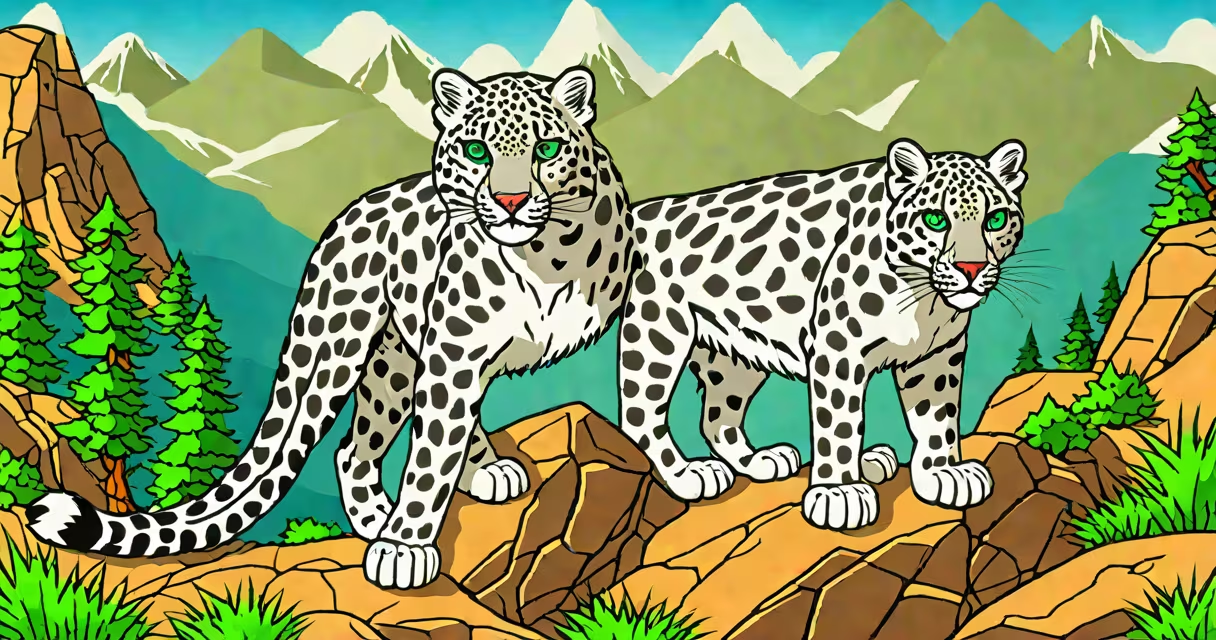
A snow leopard's natural predator is extremely rare, but human activity and climate change threaten their survival more than any wild animal.
The snow leopard (*Panthera uncia*) is an apex predator itself, ruling the high-altitude regions of Central and South Asia. However, unlike other big cats, adult snow leopards have no natural enemies in the wild. Their primary threats come from outside their system.
Snow leopards inhabit rugged, remote mountain ranges, including the Himalayas and Tibetan Plateau. These harsh environments limit competition and predation. Cubs face threats from eagles, wolves, and other snow leopards, but adults are virtually untouched by natural predators.
According to the IUCN Red List, snow leopards are listed as Vulnerable due to habitat loss and poaching, not predation.
Humans pose the greatest threat to snow leopards. Poaching for fur and traditional medicine, along with habitat destruction from mining and infrastructure development, has drastically reduced their numbers. Conservation efforts, such as those led by the Snow Leopard Trust, focus on protecting these cats from human encroachment.
Climate change is altering the snow leopard's habitat. Rising temperatures reduce snow cover and change vegetation patterns, affecting prey availability. A study published in Global Change Biology found that snow leopards could lose up to 30% of their habitat by 2050 if current trends continue.
Snow leopards are often confused with other big cats like tigers or leopards. Unlike tigers, which face predation from other tigers in rare cases, snow leopards have no such threats. Their solitary nature and remote habitat further reduce interactions with potential predators.
Organizations like the World Wildlife Fund (WWF) and the Snow Leopard Conservancy work to protect snow leopards through anti-poaching measures, community education, and habitat restoration. These efforts are important for ensuring the survival of this elusive species.
While snow leopards may not have many natural predators, their biggest challenges come from human activity and environmental changes. Conservation efforts remain important to their survival.