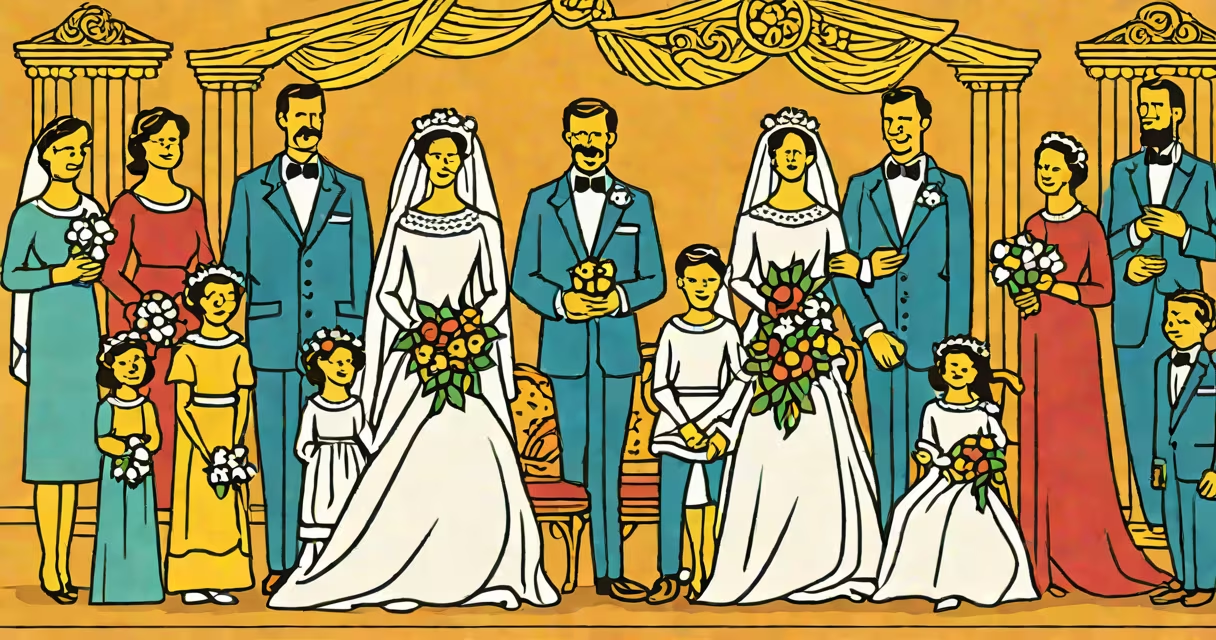
A plural marriage is a marital arrangement involving at least three people who are legally or ceremonially united as partners. Unlike traditional monogamous marriages, which involve two spouses, plural marriages extend beyond this binary structure.
Plural marriages function similarly to monogamous marriages but with additional partners. Each partner is considered equal within the marriage, and the dynamics can vary widely depending on cultural, religious, or personal agreements. Communication, consent, and mutual respect are important for maintaining harmony in such relationships.
Plural marriages can be categorized based on the gender composition of the partners:
| Type | Description | Example |
|---|---|---|
| Polygyny | One man married to multiple women | Common in some historical and religious contexts |
| Polyandry | One woman married to multiple men | Rare but practiced in certain cultures |
| Group Marriage | Multiple men and women married to each other | Modern, consensual arrangements among progressive communities |
Plural marriages have been practiced in various cultures throughout history. For example, in ancient Hebrew culture, polygyny was common among kings and prominent figures. In modern times, some religious groups, such as certain sects of Mormonism, have practiced plural marriages, although they are not officially endorsed by mainstream Mormon churches.
Reasons for practicing plural marriages can include religious beliefs, economic benefits, social support, and personal preferences. In some cases, plural marriages provide a safety net for widows or ensure the continuation of family lines.
Plural marriages are illegal in many countries, including the United States, where only monogamous marriages are recognized. However, some jurisdictions may recognize polygamous relationships under specific circumstances, such as in the case of the Fundamentalist Church of Jesus Christ of Latter-Day Saints (FLDS).
One common misconception is that all plural marriages are patriarchal, with one dominant male figure. In reality, plural marriages can be egalitarian, with all partners sharing equal rights and responsibilities. Another misconception is that plural marriages are inherently unstable. While they can be challenging, many plural families report high levels of satisfaction and support.
For a deeper understanding of plural marriages, it's essential to recognize the diversity within this practice. Some families may have strict hierarchical structures, while others operate on principles of equality and shared decision-making., the legal recognition of plural marriages varies widely, and ongoing debates continue to shape their status in different societies.
I once attended a workshop on alternative family structures where a panel of individuals from plural marriages shared their experiences. Their stories highlighted the importance of open communication, mutual respect, and legal precautions to protect all parties involved. This firsthand account underscored the complexity and variability of plural marriages.
Plural marriages are a complex and often misunderstood form of relationship. By understanding their types, cultural contexts, and legal statuses, we can better appreciate the diversity of human relationships. Whether driven by religious beliefs, economic factors, or personal choices, plural marriages offer a unique perspective on love, commitment, and family.