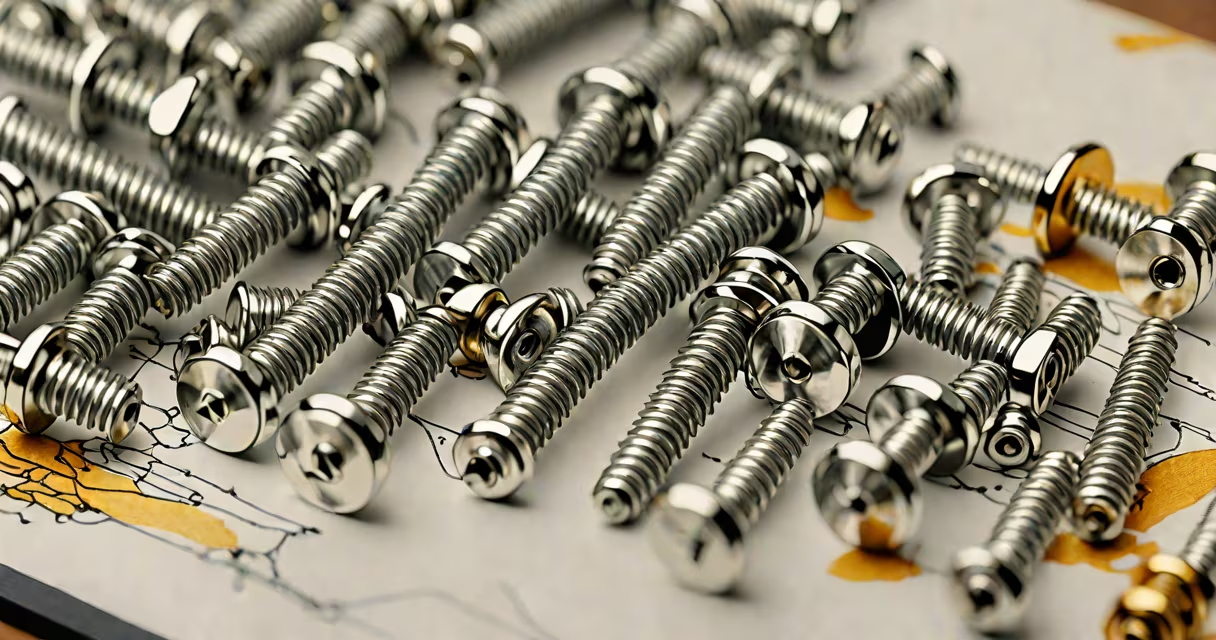
A VESA screw is a standardized threaded fastener used to mount flat-panel displays like computer monitors to stands, arms, or walls. These screws follow the VESA Mounting Interface Standard, ensuring compatibility across devices.
The VESA standard defines hole patterns on the back of displays and corresponding screw patterns on mounts. The most common sizes are 75×75 mm and 100×100 mm, though larger formats exist for professional displays. Each size requires specific screw lengths and diameters to ensure proper alignment and stability.
For example, a 24-inch monitor typically uses four M4 screws (4mm diameter) spaced 75mm apart. The screws pass through the monitor's mounting holes and thread into the mount, creating a secure connection. Most modern monitors include these screws in the box, but they can also be purchased separately.
VESA screws come in different sizes and materials to accommodate various monitor weights and thicknesses. The most common types include:
| Size | Diameter | Length | Max Load |
|---|---|---|---|
| M4 | 4mm | 10-20mm | Up to 20 lbs |
| M6 | 6mm | 20-30mm | Up to 50 lbs |
| M8 | 8mm | 30-50mm | Over 50 lbs |
Stainless steel screws are the most common due to their corrosion resistance and strength. However, some manufacturers provide plastic or nylon inserts to protect the monitor's frame from damage.
VESA screws enable flexible positioning of monitors for ergonomic viewing. They allow users to adjust height, tilt, swivel, and pivot, reducing neck and eye strain. The standard also ensures compatibility between different brands, simplifying the process of upgrading or replacing hardware.
For instance, a user can easily switch from a desktop stand to a wall mount by unscrewing the existing VESA screws and reattaching the monitor to the new hardware. This versatility makes VESA screws essential for both home and office setups.
Many people assume all monitors support VESA mounts, but some ultra-thin or curved models lack the required hole pattern. Always check the product specifications before purchasing a mount., while longer screws may seem like a better option, they can protrude from the back of the monitor and interfere with cables or other components.
I once helped a colleague mount a 32-inch monitor using M6 screws that were too long. The excess thread scratched the wall when adjusting the tilt, requiring extra padding to prevent further damage. This experience reinforced the importance of using the correct screw length specified by the manufacturer.
VESA screws are the standard solution for securely attaching monitors to various mounting hardware. Understanding their sizes, materials, and applications ensures a safe and ergonomic setup for any display.