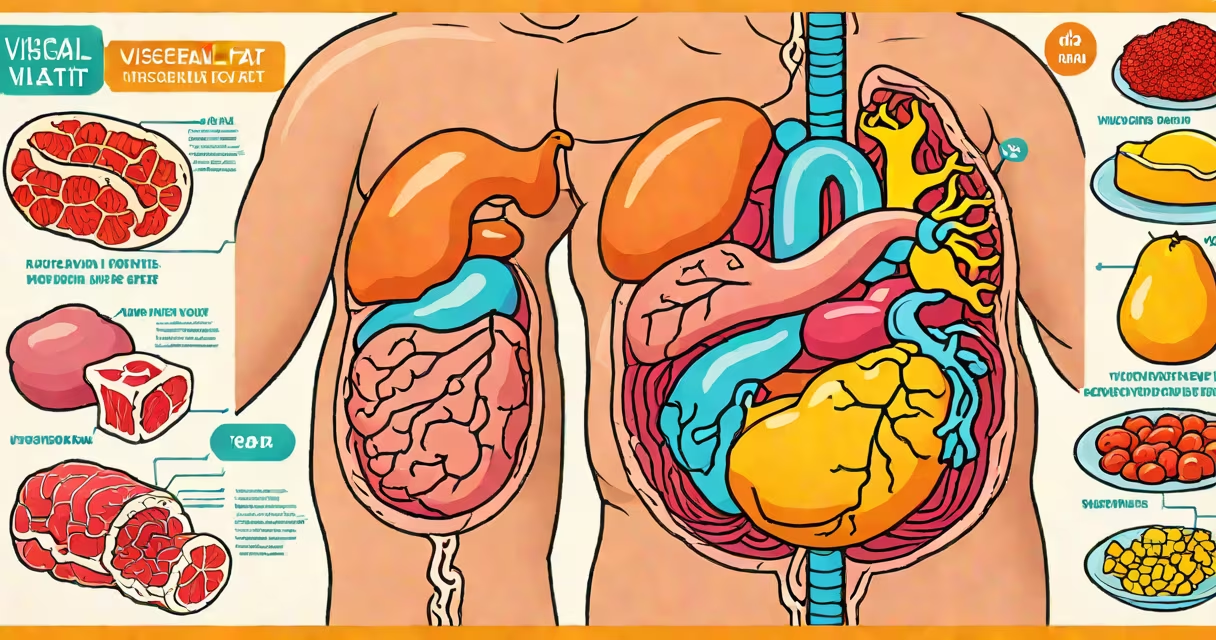
A visceral fat rating quantifies the amount of fat stored around important organs in your abdomen, typically measured through imaging techniques like CT scans or specialized scales. This metric differs from body fat percentage by focusing specifically on the dangerous intra-abdominal fat linked to metabolic disorders.
Most visceral fat ratings come from bioelectrical impedance analysis (BIA) devices or waist circumference measurements. Advanced methods use dual-energy X-ray absorptiometry (DXA) or magnetic resonance imaging (MRI) for precise readings. The rating is usually expressed as a percentage of total body fat that's visceral, with higher percentages indicating greater health risks.
| Measurement Type | Accuracy Level | Typical Range |
|---|---|---|
| Waist Circumference | Moderate | Men: 35+ inches; Women: 30+ inches |
| Bioelectrical Impedance Analysis | High | 5-20% of total body fat |
| CT/MRI Scans | Very High | Varies by individual anatomy |
Visceral fat produces hormones that increase inflammation and insulin resistance, directly contributing to type 2 diabetes risk. A study published in the Journal of Clinical Endocrinology & Metabolism found that visceral fat area measured by CT scan was strongly associated with cardiovascular disease independent of obesity. Unlike subcutaneous fat under the skin, visceral fat surrounds organs like the liver and intestines, making it particularly harmful.
Many people confuse visceral fat with subcutaneous fat, which lies just beneath the skin. While both types contribute to obesity, visceral fat poses greater immediate health risks. Another misconception is that only overweight individuals have significant visceral fat - even lean people can accumulate dangerous levels of intra-abdominal fat. The American Heart Association warns that normal-weight individuals with high visceral fat levels face similar health risks to obese people.
I've seen this firsthand working with clients who maintained healthy weights but had dangerously high visceral fat percentages. One client with a 28-inch waist had a visceral fat rating of 18%, putting him at high risk for metabolic syndrome despite appearing fit.