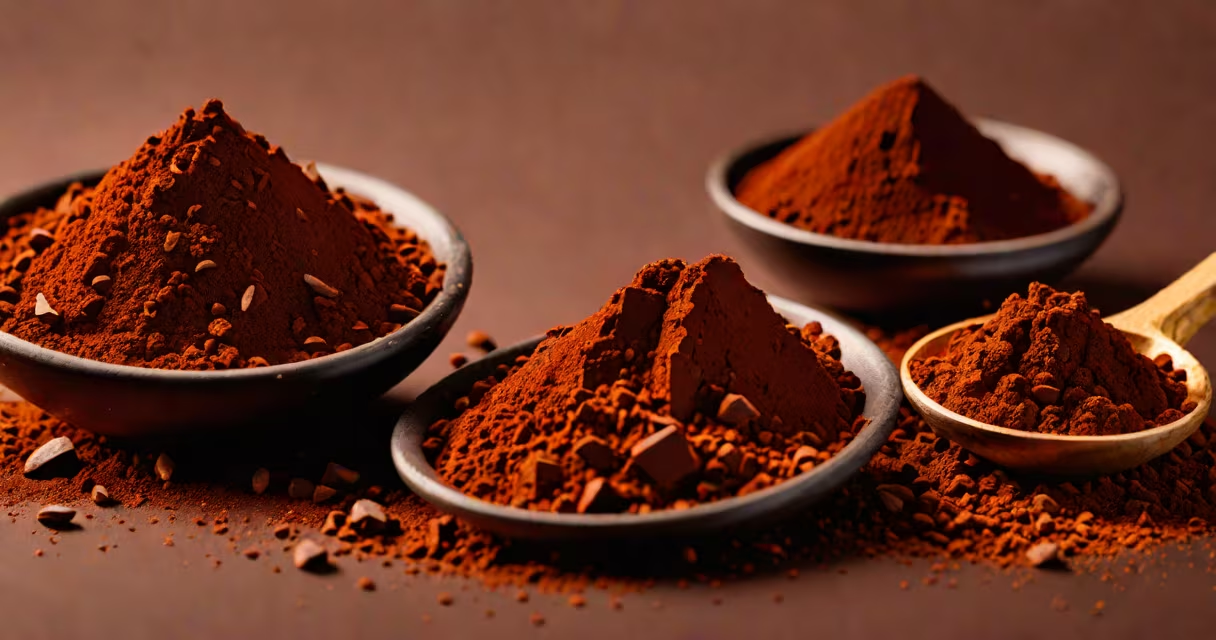
Alkali in cocoa refers to a chemical process that reduces acidity, darkens color, and mellows flavor. Dutch-processing treats natural cocoa with an alkaline solution (typically potassium carbonate) to make it more soluble and less bitter.
During Dutch-processing, natural cocoa beans undergo treatment with an alkaline solution (pH 7-8). This neutralizes acidic compounds like acetic, citric, and malic acids. The process also breaks down cell walls, increasing cocoa's water solubility.
The chemical reaction converts bitter-tasting compounds into milder ones. For example, it transforms epicatechin (bitter) into more soluble and less astringent molecules. This creates a smoother, less acidic product.
| Type | Processing Method | Color | Flavor Profile |
|---|---|---|---|
| Natural cocoa | Unprocessed | Light brown | Strong, acidic, fruity |
| Dutch-processed cocoa | Alkalized with potassium carbonate | Dark brown | Milder, earthy, less bitter |
| Dark Dutch-processed cocoa | Heavily alkalized | Near-black | Very mild, almost sweet |
Chocolate manufacturers use Dutch-processing for several reasons:
However, excessive alkalization can destroy beneficial antioxidants like flavonoids. Natural cocoa retains more of these health-promoting compounds.
Many people confuse Dutch-processed cocoa with "black cocoa," a heavily alkalized form used in Oreo cookies. While both are treated with alkali, black cocoa undergoes far more intense processing.
Another myth is that all dark chocolate uses Dutch-processed cocoa. In reality, many high-quality dark chocolates rely on natural cocoa for its intense, fruity flavors.
When developing a hot chocolate recipe, I compared natural and Dutch-processed cocoa side by side. The natural version created clumps in the liquid, while the Dutch-processed version dissolved completely. The flavor difference was striking-the natural cocoa had a bright, tangy taste, while the Dutch-processed version was smoother and more mellow.
Alkali in cocoa is important for chocolate production. By altering acidity, color, and solubility, Dutch-processing enables manufacturers to create many products. However, it's important to recognize that natural cocoa offers distinct flavor and nutritional benefits that processed varieties lack.