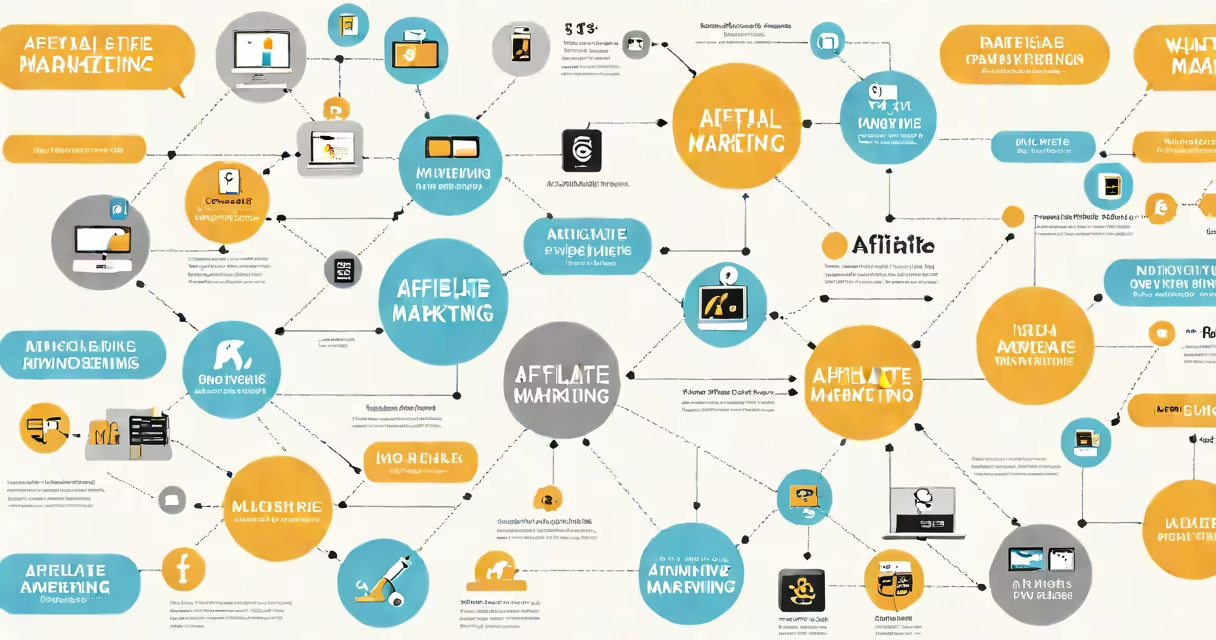
Affiliate marketing is a performance-based digital marketing strategy where affiliates promote a company's products or services and earn commissions for each sale or lead generated. It operates on a revenue-sharing model between merchants and affiliates.
Affiliate marketing involves four key players: the merchant (or advertiser), the affiliate (or publisher), the consumer, and the affiliate network (which connects merchants and affiliates). The process begins when a merchant creates an affiliate program and provides unique tracking links to affiliates. Affiliates then promote these products through their channels-websites, social media, email newsletters, or blogs-and earn a commission when a consumer clicks the link and makes a purchase.
For example, a fashion blogger might join an affiliate program with an online clothing retailer. The blogger writes a review of a dress and includes an affiliate link. When readers click the link and buy the dress, the blogger earns a percentage of the sale.
Affiliate marketing can be categorized into three main types:
| Type | Description | Example |
|---|---|---|
| Pay-Per-Click (PPC) | Affiliates earn money for each click on their referral link, regardless of whether a sale is made. | A travel blogger includes a PPC affiliate link to a hotel booking site in their article about vacation destinations. |
| Pay-Per-Lead (PPL) | Affiliates earn commissions when they drive leads, such as sign-ups or form submissions. | A finance blogger promotes a credit card offer and earns a commission for each reader who applies and gets approved. |
| Pay-Per-Sale (PPS) | Affiliates earn a percentage of the sale price when a referred customer makes a purchase. | A tech reviewer earns a commission for every product sold through their Amazon affiliate links. |
Affiliate marketing is popular because it offers a low-risk, high-reward strategy for businesses. Companies only pay affiliates when a specific action-like a sale or lead-is completed, making it a cost-effective way to drive traffic and conversions. According to a study by Statista, affiliate marketing spending in the U.S. reached $8.2 billion in 2022.
Affiliate marketing leverages the trust and influence of affiliates, who often have established audiences. For instance, a fitness influencer promoting a protein supplement can reach a highly targeted audience interested in health and wellness.
Another misconception is that affiliate marketing is easy money. Success requires effort, strategy, and continuous optimization. Affiliates must choose the right products, create compelling content, and drive relevant traffic to their links.
To start as an affiliate marketer, choose a niche you're passionate about and research affiliate programs in that industry. Platforms like Amazon Associates, ShareASale, and CJ Affiliate offer many programs. Create valuable content around the products or services you're promoting, and use tracking tools to monitor your performance.
I once started an affiliate marketing side project in the home improvement niche. By creating detailed product reviews and tutorials, I was able to generate steady income while helping my audience make informed purchasing decisions.
Affiliate marketing is a useful tool in digital marketing, offering a win-win scenario for both merchants and affiliates. By understanding how it works and implementing best practices, businesses and individuals can use this strategy to drive sales and grow their online presence.