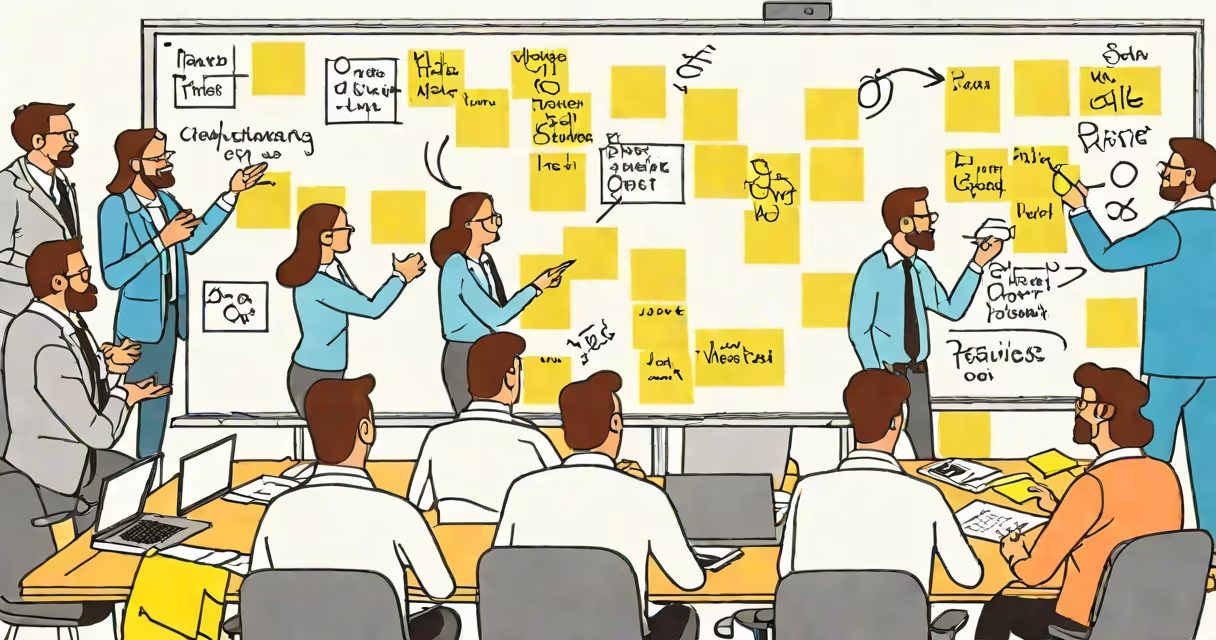
An agile coach is a professional who guides teams in adopting and implementing agile methodologies, focusing on continuous improvement and collaboration. Unlike project managers, they don't direct work but instead help processes that help teams to self-organize.
Agile coaches operate by embedding themselves within teams, observing workflows, and identifying bottlenecks. They introduce frameworks like Scrum or Kanban, then train teams to use them effectively. For example, a coach might run daily stand-ups to encourage transparency and adaptability.
| Type | Focus Area | Key Responsibility |
|---|---|---|
| Technical Coach | Engineering practices | Improves coding standards and technical agility |
| Process Coach | Workflow optimization | Refines sprint planning and retrospectives |
| Enterprise Coach | Organizational change | Aligns agile adoption with business strategy |
Companies undergoing digital transformations often hire agile coaches to bridge gaps between traditional and agile cultures. A coach might help a software development team transition from waterfall to agile programming, reducing time-to-market by 30%.
Many confuse agile coaches with scrum masters, but while both roles support agile teams, coaches focus on long-term cultural shifts, whereas scrum masters manage short-term sprints. For instance, a coach might address resistance to change, while a scrum master ensures daily stand-ups stay on track.
During a recent project, I observed an agile coach help a marketing team adopt Kanban. By introducing visual task boards and limiting work-in-progress items, the team reduced project delays by 40%. The coach didn't dictate solutions but asked questions that led the team to self-discover improvements.