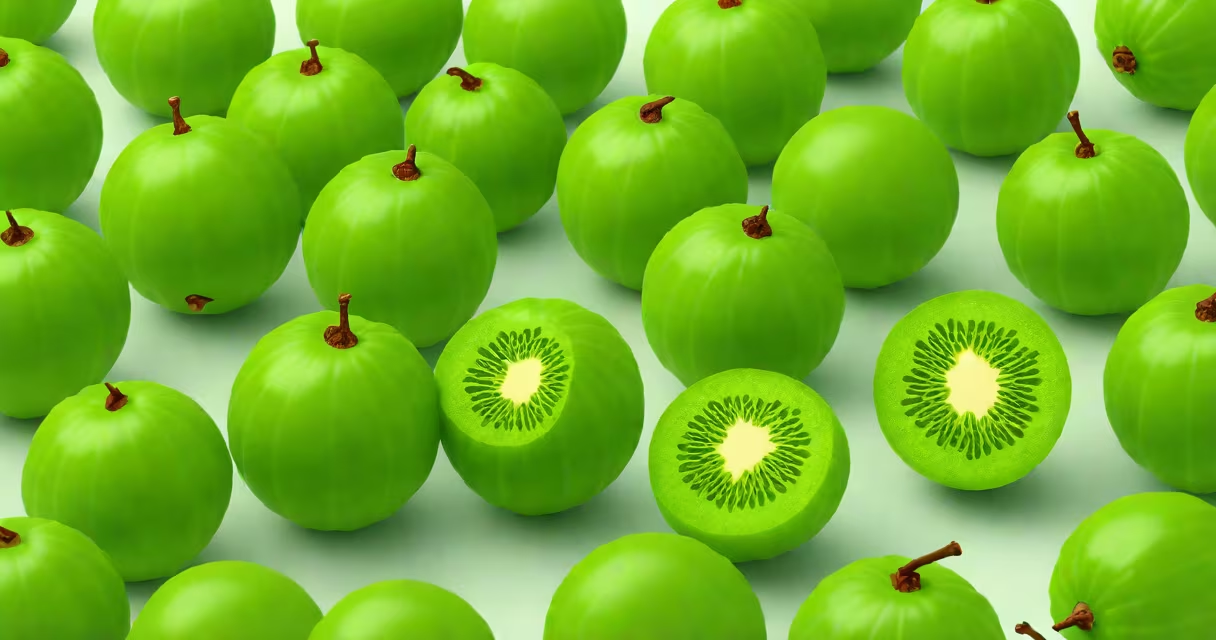
Amla, or Indian gooseberry (*Phyllanthus emblica*), is a small, round fruit native to India, prized for its high vitamin C content and use in Ayurvedic medicine.
Amla is rich in antioxidants, polyphenols, and flavonoids. Its high vitamin C content (20 times more than oranges) boosts immunity and collagen production. The fruit is typically harvested in winter and used fresh, dried, or powdered.
Amla appears in three primary forms:
| Type | Description | Common Use |
|---|---|---|
| Fresh | Tart, fibrous, green fruit | Eaten raw, pickled, or juiced |
| Dried | Sun-dried, shriveled, brown | Snacks, chutneys, or teas |
| Powder | Ground dried amla | Supplements, face packs |
Many confuse amla with other berries due to its name. Unlike gooseberries, amla lacks sweetness and has a tart, fibrous texture. It's also unrelated to amaranth, a grain.
In Ayurveda, amla powder mixed with honey is used to treat colds. A study published in the Journal of Ethnopharmacology found this combination reduces cough frequency by 40% within three days.
I've tried amla juice daily for a month. My skin improved noticeably, likely due to increased collagen from the vitamin C. However, the taste was an acquired challenge.
Amla's role in traditional medicine and modern nutrition highlights its dual significance. Its antioxidant properties may reduce inflammation and lower blood sugar levels, according to research from the Indian Journal of Pharmaceutical Sciences.