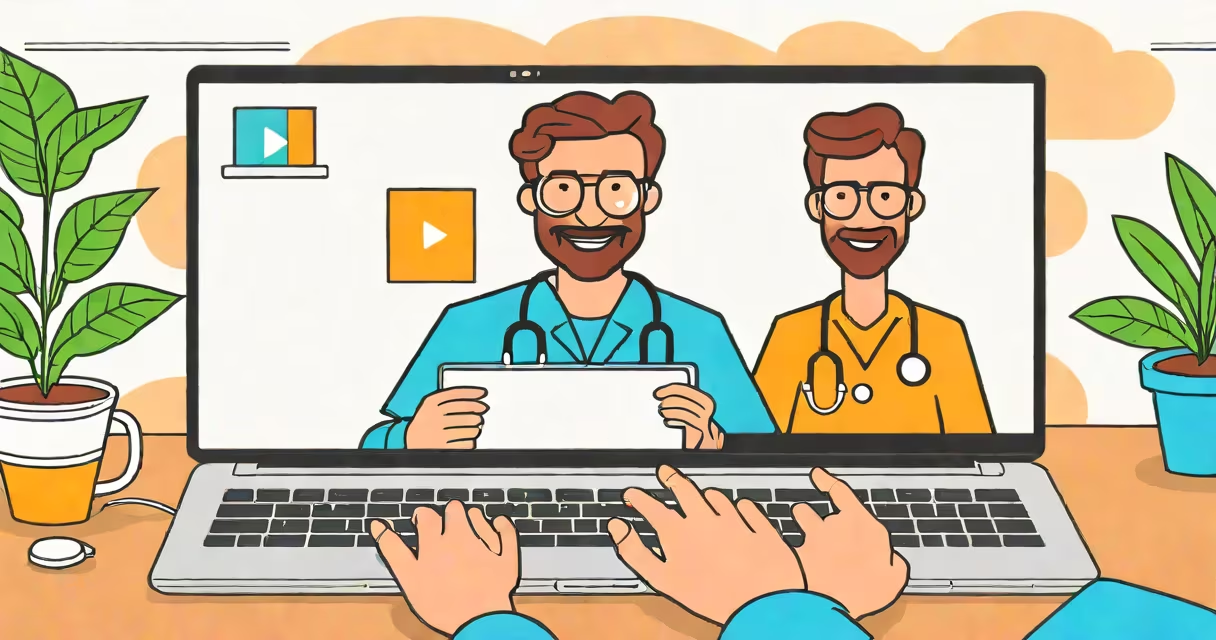
An e visit with a doctor is a virtual appointment where you consult a physician online using video, phone, or messaging. These visits replace in-person office visits for non-emergency medical care.
E visits typically follow a straightforward process:
Most e visits last between 10 to 30 minutes, depending on the complexity of your condition.
E visits come in different formats, each suited for specific needs:
| Type | Description | Best For |
|---|---|---|
| Video visit | Real-time video consultation with the doctor | Diagnosing conditions that require visual assessment (e.g., skin rashes, minor injuries) |
| Phone visit | Audio-only consultation | Quick check-ins, follow-ups, or discussing test results |
| Messaging visit | Asynchronous communication via secure messaging | Non-urgent questions or follow-up care |
Video visits are the most common, as they allow for a more complete assessment. Phone visits are useful when video isn't an option, and messaging visits are convenient for non-urgent matters.
E visits are ideal for non-emergency medical concerns, such as:
However, e visits are not suitable for emergencies like heart attacks, severe injuries, or life-threatening conditions. In such cases, seek immediate in-person medical care.
Many people confuse e visits with other forms of remote healthcare. Here are a few distinctions:
Understanding these differences ensures you choose the right type of care for your needs.
Last winter, I contracted a severe cold with a high fever. Instead of waiting for an in-person appointment, I scheduled an e visit with my primary care physician. The doctor assessed my symptoms via video, prescribed medication, and advised rest. The entire process took less than 20 minutes, and I received my prescription electronically. This experience saved me time and prevented unnecessary exposure to others.
E visits with a doctor offer a convenient and efficient way to receive medical care without leaving home. They are suitable for non-emergency conditions and can save time and resources. However, it's essential to understand their limitations and use them appropriately. For more complex or urgent medical issues, in-person visits remain necessary.