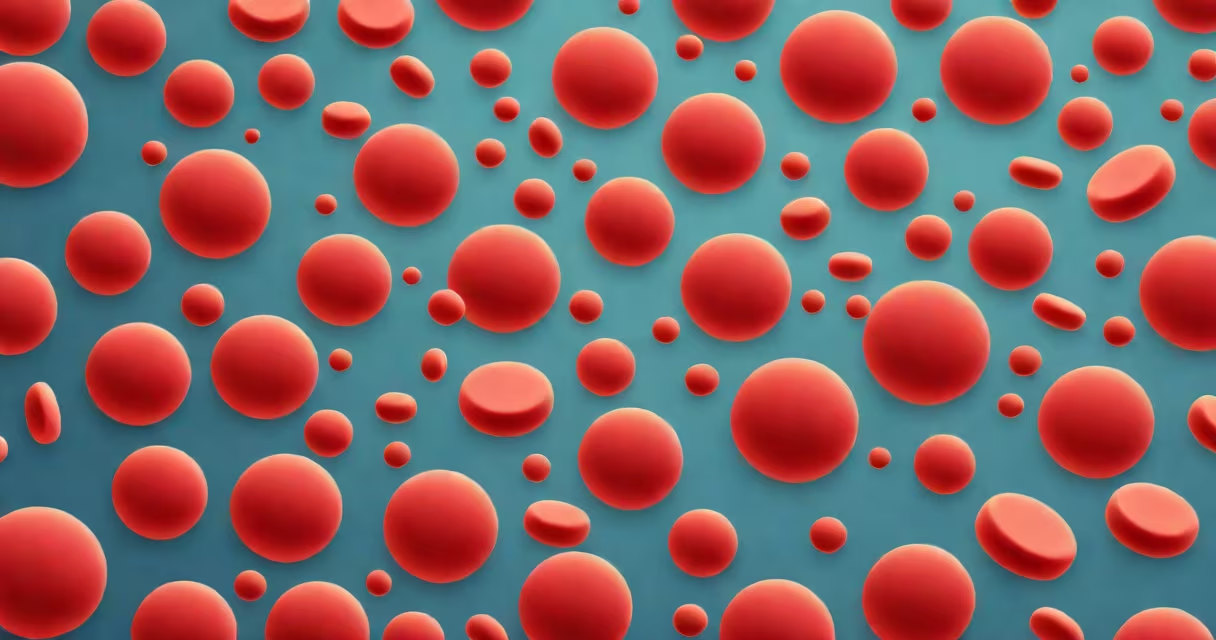
Being anemic means your body doesn't have enough healthy red blood cells to carry adequate oxygen to your tissues. This occurs when your hemoglobin levels fall below normal ranges, typically below 13 g/dL in men and 12 g/dL in women, according to the National Heart, Lung, and Blood Institute.
Anemia develops when your body doesn't produce enough red blood cells, destroys them too quickly, or loses them through bleeding. Common causes include iron deficiency, vitamin deficiencies, chronic diseases, and inherited conditions like sickle cell anemia. Symptoms often include fatigue, weakness, pale skin, shortness of breath, and dizziness.
Red blood cells contain hemoglobin, a protein that binds to oxygen in the lungs and carries it throughout the body. When you're anemic, your body's oxygen delivery system becomes inefficient. Your heart may compensate by pumping harder, leading to symptoms like rapid heartbeat or chest pain. Over time, untreated anemia can cause complications like heart failure or developmental delays in children.
Doctors diagnose anemia through blood tests measuring hemoglobin levels, red blood cell count, and other factors. Treatment depends on the underlying cause but may include dietary changes, supplements, medications, or blood transfusions in severe cases.
| Type | Cause | Key Features |
|---|---|---|
| Iron-deficiency anemia | Low iron intake or absorption | Most common type; causes fatigue and weakness |
| Vitamin-deficiency anemia | Lack of vitamin B12 or folate | Affects nerve function; may cause tingling in extremities |
| Anemia of chronic disease | Chronic illnesses like cancer or kidney disease | Body's response to inflammation; reduces red blood cell production |
| Hemolytic anemia | Red blood cells destroyed prematurely | May cause jaundice or dark urine |
| Sickle cell anemia | Genetic mutation | Causes pain crises and organ damage |
Many people confuse anemia with general fatigue or assume it only affects women. While women are at higher risk due to menstruation, men can develop anemia too. Another misconception is that anemia always causes noticeable symptoms. Some people, especially those with mild anemia, may feel fine despite low hemoglobin levels.
I once worked with someone who dismissed their constant fatigue as stress until blood tests revealed severe iron-deficiency anemia. After treatment, their energy levels improved dramatically. This experience underscored how easily anemia can be overlooked.
Doctors diagnose anemia using complete blood counts (CBCs) and additional tests to identify the underlying cause. Treatment varies but often includes iron supplements for iron-deficiency anemia, vitamin B12 injections for pernicious anemia, or managing chronic conditions causing anemia of chronic disease.
Dietary changes can help prevent some types of anemia. Foods rich in iron (like leafy greens and red meat) and vitamin C (which aids iron absorption) are recommended. For genetic anemias like sickle cell disease, treatments focus on managing symptoms and preventing complications.
Consult a doctor if you experience persistent fatigue, unexplained bruising, or other symptoms of anemia. Early diagnosis and treatment can prevent complications and improve quality of life. Most cases of anemia are manageable with proper care and monitoring.
For more details on anemia symptoms and treatments, see this guide on what it means if you're anemic.