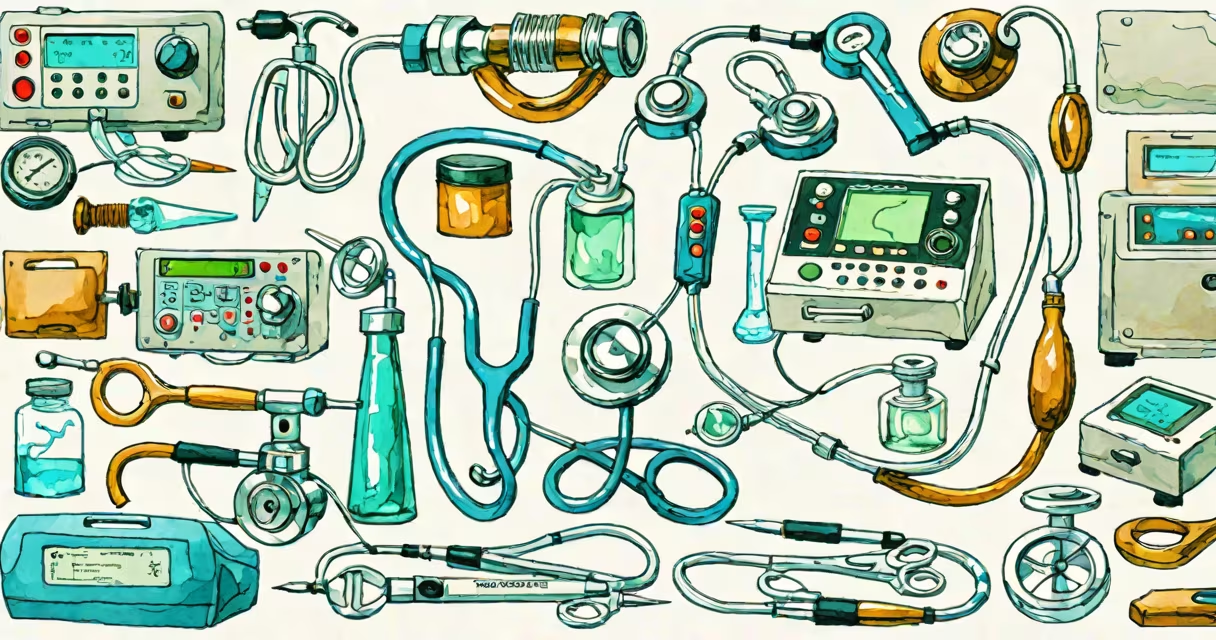
Biomedical equipment technology refers to the design, development, and application of devices and systems used in healthcare for diagnosis, treatment, and monitoring. These tools range from simple instruments like stethoscopes to complex systems like MRI machines.
Biomedical equipment operates through various principles, including mechanical, electrical, and biological processes. For instance, an ECG machine measures the electrical activity of the heart using electrodes placed on the skin. The data is then processed and displayed as a graph, allowing doctors to diagnose cardiac conditions.
Biomedical equipment can be categorized into several types based on their function:
| Type | Examples | Primary Use |
|---|---|---|
| Diagnostic Tools | MRI machines, X-ray machines, ultrasound devices | Imaging and detecting internal issues |
| Therapeutic Devices | Pacemakers, dialysis machines, ventilators | Treating and managing diseases |
| Monitoring Systems | ECG machines, blood pressure monitors, pulse oximeters | Tracking patient important signs |
| Surgical Instruments | Lasers, robotic arms, endoscopes | Assisting in surgical procedures |
Biomedical equipment is essential in various healthcare settings, including hospitals, clinics, and laboratories. For example, an MRI machine is used in hospitals to produce detailed images of the body's internal structures, helping doctors diagnose conditions like tumors, spinal cord injuries, and brain abnormalities.
In clinics, blood pressure monitors are commonly used to measure a patient's blood pressure, providing important data for diagnosing hypertension. Laboratories use microscopes and other analytical tools to examine samples and conduct research.
One common misconception is that all biomedical equipment is highly complex and expensive. While some devices, like MRI machines, are sophisticated and costly, many others, such as stethoscopes and thermometers, are simple and affordable. Another misconception is that biomedical equipment is only used in hospitals. In reality, these tools are also used in home care, ambulatory settings, and even in space missions.
According to the World Health Organization, the global market for medical devices is projected to reach $603.5 billion by 2023, highlighting the growing importance of biomedical equipment technology in healthcare. As technology advances, the integration of artificial intelligence and robotics into biomedical equipment is expected to change patient care and outcomes.