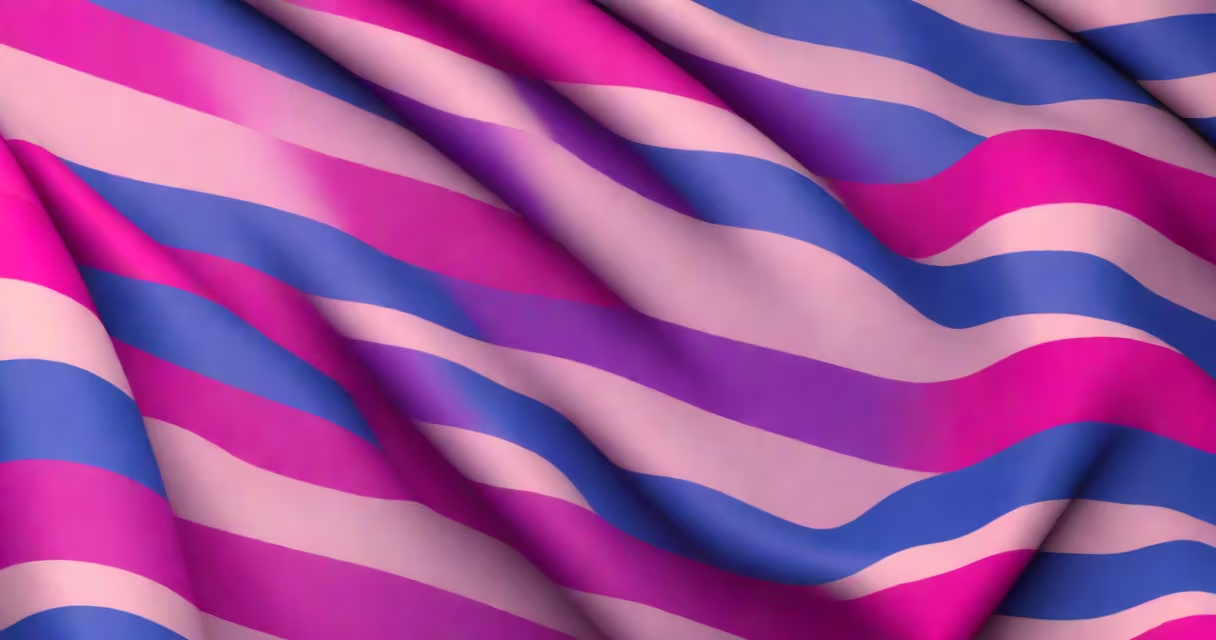
The bi flag is a symbol of bisexual pride and visibility, featuring three horizontal stripes: pink, purple, and blue. These colors represent the spectrum of sexual attraction beyond rigid gender binaries.
The flag's design communicates identity and solidarity. The pink stripe signifies attraction to the same gender, the blue stripe represents attraction to a different gender, and the purple stripe in the center symbolizes attraction to more than one gender. Together, they create a unified visual representation of bisexuality.
The original bi flag, designed in 1998 by Michael Page, remains the most widely recognized version. However, variations exist, such as the addition of a green stripe to represent non-binary identities or the inclusion of transgender colors. These modifications aim to better represent the diverse experiences within the bisexual community.
The bi flag appears at pride parades, LGBTQ+ events, and on social media profiles to show support for bisexual individuals. It serves as a visible marker of identity and a tool for education about bisexuality. According to GLAAD, bisexual people make up the largest portion of the LGBTQ+ community, yet they often face invisibility and misconceptions.
Some people confuse the bi flag with other pride flags, such as the transgender flag or the pansexual flag. While all these flags represent different identities within the LGBTQ+ spectrum, the bi flag specifically highlights bisexuality. Another misconception is that the bi flag is merely a variation of the rainbow flag; however, it was created to address the unique needs and visibility of bisexual individuals.
I first saw the bi flag at a local pride event. The vibrant colors stood out, and I noticed how many people wore it as a pin or carried it as a banner. It was a useful moment of recognition and solidarity. The flag's simplicity and clarity made it an effective tool for sparking conversations about bisexuality.
The bi flag is more than just a symbol; it's a tool for visibility, education, and pride. Its design and usage continue to evolve, reflecting the diverse experiences within the bisexual community. Understanding the bi flag helps build inclusivity and awareness, making it an essential part of LGBTQ+ culture.