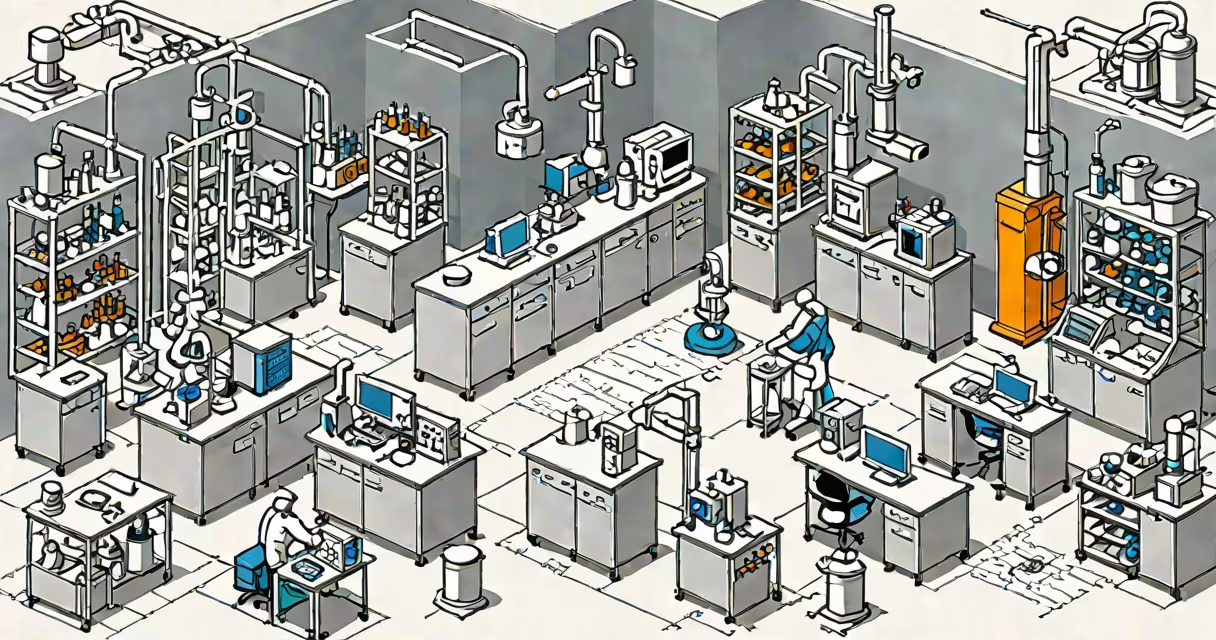
Capvaxive refers to a specific stage in vaccine production where the virus or antigen is harvested, purified, and prepared for formulation. This step ensures the final vaccine product is potent, safe, and effective.
The capvaxive stage involves several critical steps:
For example, in the production of an mRNA vaccine like Pfizer-BioNTech's COVID-19 vaccine, the mRNA is transcribed in vitro, purified, and then encapsulated in lipid nanoparticles during the capvaxive stage.
Capvaxive is relevant to various types of vaccines, including:
| Vaccine Type | Example | Capvaxive Process |
|---|---|---|
| mRNA Vaccines | Pfizer-BioNTech COVID-19 Vaccine | Purification and lipid nanoparticle encapsulation |
| Viral Vector Vaccines | AstraZeneca COVID-19 Vaccine | Harvesting and purification of adenovirus vectors |
| Inactivated Vaccines | Polio Vaccine | Inactivation and purification of the virus |
Capvaxive is used in biopharmaceutical manufacturing facilities worldwide. It is important for ensuring the consistency and quality of vaccine batches. According to the World Health Organization, proper purification and formulation during capvaxive are essential for vaccine efficacy and safety.
One common misconception is that capvaxive is the same as the final formulation step. However, capvaxive specifically refers to the harvesting and purification stages before formulation. Another mistake is assuming that all vaccines undergo the same capvaxive process, which is not true. For instance, mRNA vaccines require different purification techniques compared to viral vector vaccines.
During my time working in a biopharmaceutical lab, I observed firsthand how meticulous the capvaxive process must be. A small error in purification could lead to significant issues in the final vaccine product, highlighting the importance of precision at this stage.