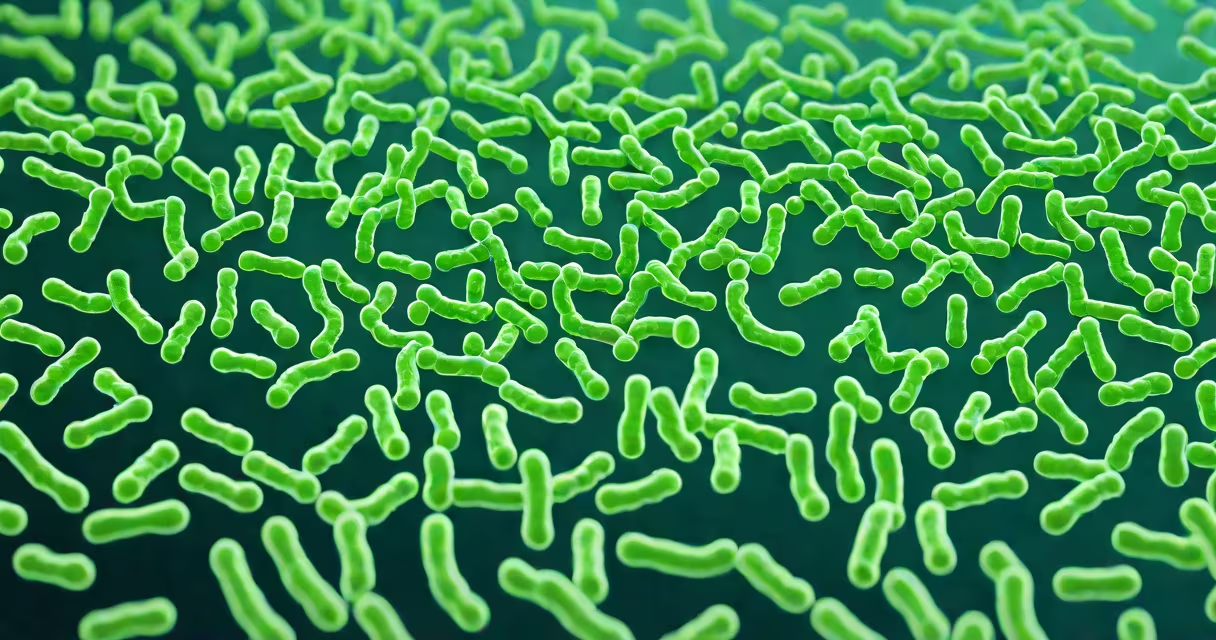
Cholera disease is a severe diarrheal infection caused by the bacterium Vibrio cholerae, often spread through contaminated water. The disease can lead to severe dehydration and death if untreated.
The bacterium Vibrio cholerae produces a toxin that causes the small intestine to secrete large amounts of water, leading to profuse diarrhea. This rapid fluid loss can lead to dehydration and electrolyte imbalance within hours.
Cholera is typically spread through consumption of food or water contaminated with the bacterium. Poor sanitation and lack of clean drinking water are primary risk factors for outbreaks.
There are two main types of cholera: classical and El Tor. Classical cholera was historically more severe, while El Tor cholera is more common today and generally less severe but more contagious.
| Type | Severity | Contagiousness |
|---|---|---|
| Classical | High | Low |
| El Tor | Moderate | High |
Symptoms of cholera include sudden onset of watery diarrhea, vomiting, and leg cramps. In severe cases, dehydration can occur within hours, leading to sunken eyes, dry mouth, and low blood pressure.
Diagnosis is typically confirmed through stool samples tested in a laboratory for the presence of Vibrio cholerae.
Prevention focuses on improving access to clean water, proper sanitation, and hygiene practices. Oral vaccines are also available and recommended for travelers to high-risk areas.
Treatment primarily involves oral rehydration therapy (ORT) to replace lost fluids and electrolytes. Severe cases may require intravenous fluids. Antibiotics can shorten the duration of the illness and reduce the amount of bacteria released into the environment.