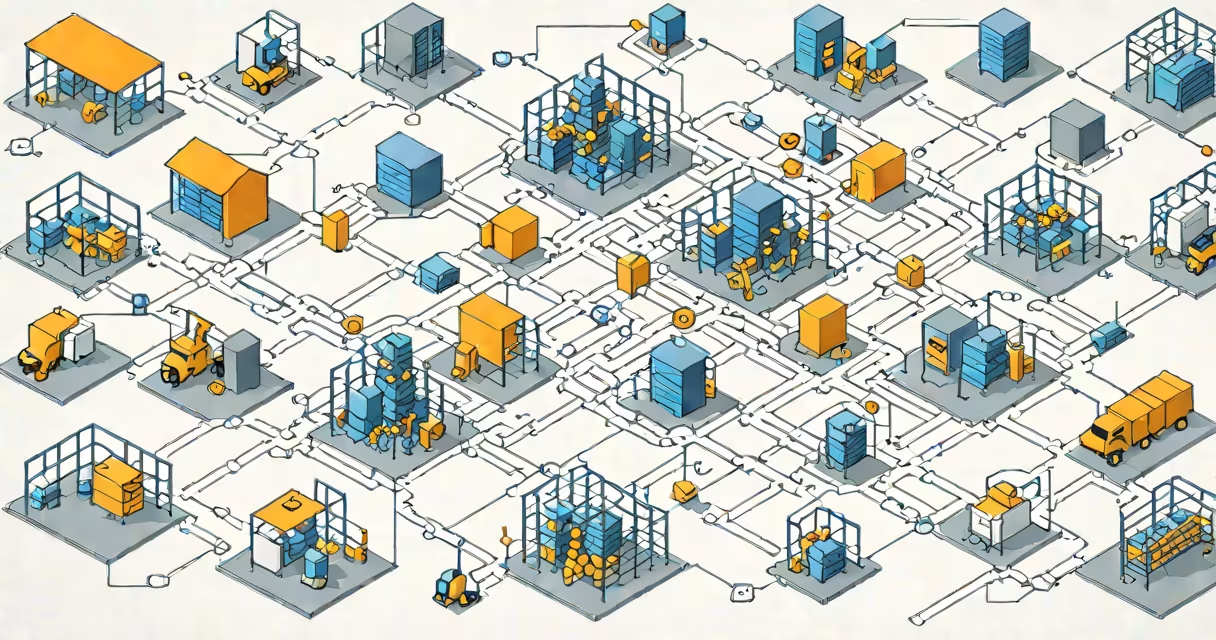
A chain management system is software that automates and optimizes workflows across supply chains, logistics, and inventory management. These systems reduce human error, lower costs, and improve operational efficiency.
Chain management systems integrate data from suppliers, manufacturers, warehouses, and retailers into a single platform. They use algorithms to forecast demand, track inventory levels, and simplify transportation routes. For example, Walmart's system processes over 1 million items daily, reducing stockouts by 16%.
These systems typically include modules for:
Many confuse chain management systems with basic inventory software. Unlike standalone tools, these systems provide end-to-end visibility. For instance, a retail chain might use a system to track goods shelf, adjusting stock levels dynamically.
In 2020, a mid-sized electronics manufacturer cut shipping costs by 22% after implementing a chain management system. The software identified inefficiencies in their logistics network, allowing them to consolidate shipments and negotiate better rates with carriers.
Companies adopt these systems to:
For example, Amazon's system processes over 600 million packages monthly, maintaining a 94% on-time delivery rate.
| Type | Use Case | Key Features |
|---|---|---|
| Enterprise Resource Planning (ERP) | Large corporations | Integrated financial and operational data |
| Warehouse Management System (WMS) | Distribution centers | Barcode scanning, automated picking |
| Transportation Management System (TMS) | Logistics providers | Route optimization, carrier selection |
Emerging technologies like AI and IoT are enhancing these systems. For example, sensors on shipping containers provide real-time location and condition updates, reducing losses from spoilage or theft.