DataHub is an open-source metadata platform that helps organizations discover, understand, and trust their data assets. It provides a centralized repository for technical and business metadata, enabling data teams to collaborate more effectively.
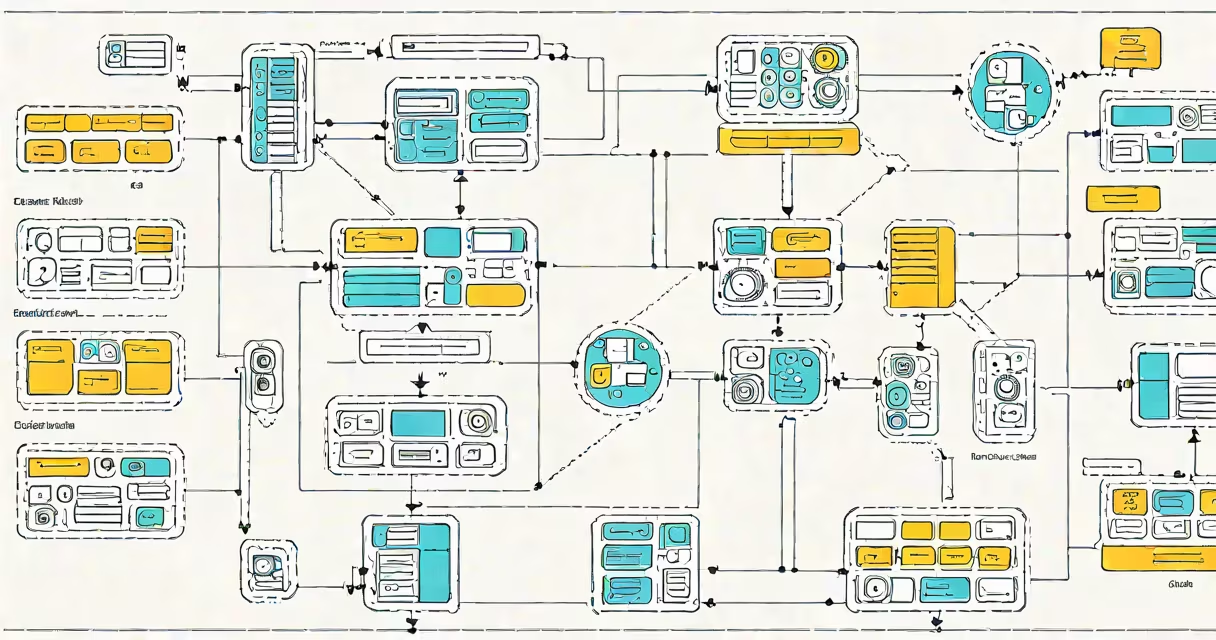
DataHub operates as a metadata-driven platform that collects, processes, and serves metadata about data assets. It uses a graph-based model to represent relationships between different data entities, such as datasets, tables, and reports. The platform includes several key components:
| Metadata Type | Description | Example |
|---|---|---|
| Technical Metadata | Information about data structure and format | Table schema, column data types |
| Business Metadata | Contextual information about data usage | Data owner, business definition |
| Operational Metadata | Runtime information about data processing | Last updated timestamp, data quality metrics |
Organizations use DataHub to address common challenges in data management. For example, a financial services company might use DataHub to:
According to Gartner, "By 2025, organizations that implement active metadata capabilities will reduce time spent finding and understanding data by 50%." DataHub helps achieve this by providing a unified view of metadata across the organization.
Many people confuse DataHub with other data management tools. Unlike traditional data catalogs that focus primarily on search functionality, DataHub emphasizes:
For instance, while a data catalog might tell you that a dataset exists, DataHub can show you how that dataset relates to other datasets, who owns it, and how it's being used across the organization.
When I worked with a healthcare organization implementing DataHub, we started by connecting it to their data warehouse. The platform automatically ingested metadata about all tables, including schemas and column descriptions. We then added business metadata through custom fields, documenting data owners and business definitions. Within weeks, analysts were able to find relevant datasets 30% faster, and the data governance team could track compliance requirements more effectively.
To begin using DataHub, organizations typically follow these steps:
DataHub's documentation provides detailed guides for each of these steps. The platform's modular architecture allows organizations to start with basic metadata management and gradually add more advanced features as needed.