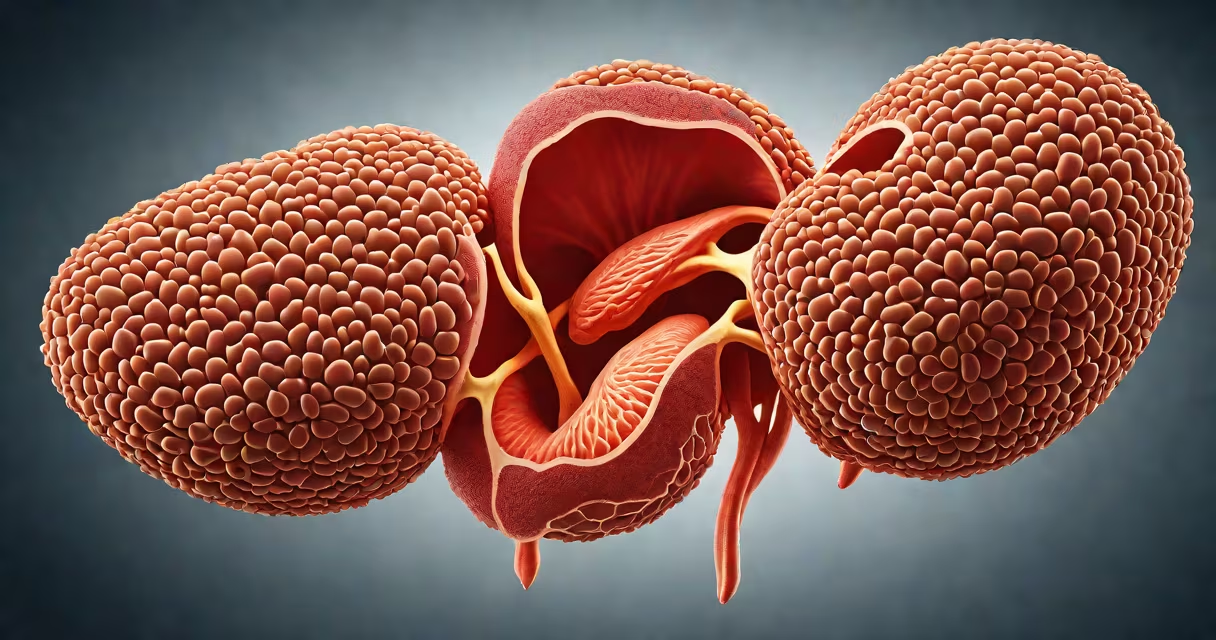
Diffuse steatosis is a liver condition where fat accumulates evenly throughout the organ rather than in isolated spots. This widespread fat deposition typically results from metabolic disorders like obesity, diabetes, or poor diet.
Fat builds up in liver cells when the body converts excess calories into triglycerides faster than the liver can process them. Over time, this leads to diffuse steatosis, where fat spreads uniformly across the liver tissue. Unlike localized steatosis, which affects specific areas, diffuse steatosis impacts the entire organ.
Diffuse steatosis falls into two primary categories:
Doctors diagnose diffuse steatosis using imaging techniques like ultrasound, MRI, or CT scans. Blood tests measuring liver enzymes also help identify the condition.
The most common causes of diffuse steatosis include:
Diffuse steatosis is often linked to metabolic syndrome, a cluster of conditions that increase the risk of heart disease, stroke, and diabetes.
Diffuse steatosis is sometimes confused with other liver diseases, such as alcoholic liver disease or viral hepatitis. However, these conditions typically cause localized damage rather than uniform fat distribution. Unlike diffuse steatosis, which results from metabolic factors, alcoholic liver disease stems from excessive alcohol consumption, while hepatitis is caused by viral infections.
Treating diffuse steatosis involves addressing underlying metabolic issues. Doctors recommend weight loss through diet and exercise, managing diabetes, and reducing alcohol intake. In severe cases, medications may help lower liver fat levels. Preventing diffuse steatosis requires maintaining a healthy weight, eating a balanced diet, and avoiding excessive alcohol consumption.
Diffuse steatosis is a serious liver condition that requires medical attention. Early diagnosis and treatment can prevent complications and improve liver health. If you suspect you have diffuse steatosis, consult a healthcare provider for proper evaluation and guidance.