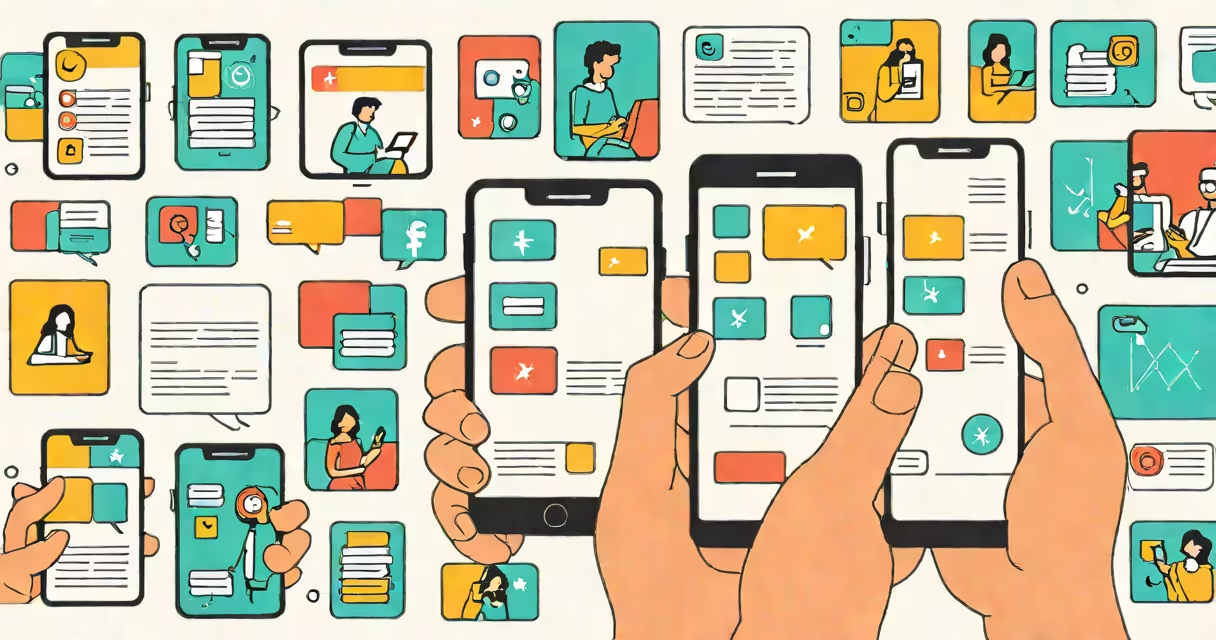
Digital experience refers to the interaction a user has with a brand's digital touchpoints, including websites, apps, and social media platforms. It encompasses every online encounter a customer has with a company, shaping their perception and loyalty.
Digital experiences are shaped by factors like website load times, mobile responsiveness, intuitive navigation, and personalized content. For example, a retail website that loads quickly, offers easy checkout, and recommends products based on past purchases creates a positive digital experience.
The key elements include:
Businesses use digital experiences to attract, engage, and retain customers. A well-designed digital experience can increase conversion rates, reduce bounce rates, and improve customer loyalty. For instance, Netflix's recommendation algorithm improves user engagement by suggesting shows based on viewing history.
Many confuse digital experience with user experience (UX). While UX focuses on usability and functionality, digital experience is broader, encompassing all digital interactions a user has with a brand. Another misconception is that digital experience is only about technology; it also involves emotional and psychological aspects of engagement.
According to Forrester Research, companies that prioritize digital experience see a 20% increase in customer satisfaction., McKinsey & Company reports that businesses with strong digital experiences are 1.5 times more likely to lead in their industries.
When I redesigned a client's e-commerce site, focusing on faster load times and simpler navigation increased their conversion rate by 30%. This demonstrates the tangible impact of a well-crafted digital experience.
| Type | Description | Example |
|---|---|---|
| Website Experience | Interaction with a company's website | Amazon's product pages with reviews and recommendations |
| Mobile App Experience | Engagement through mobile applications | Starbucks' app for ordering and payments |
| Social Media Experience | Interaction on social platforms | Coca-Cola's Instagram campaigns with user-generated content |
| Customer Support Experience | Digital interactions with support teams | Live chat on a banking website |
While both are critical, digital experience is the broader concept that includes UX. UX is a subset focused on usability, whereas digital experience covers all digital interactions, including marketing, support, and transactions.
Understanding what is digital experience is important for businesses aiming to improve customer satisfaction and drive growth. By focusing on UI, UX, content quality, performance, and personalization, companies can create meaningful interactions that resonate with users.