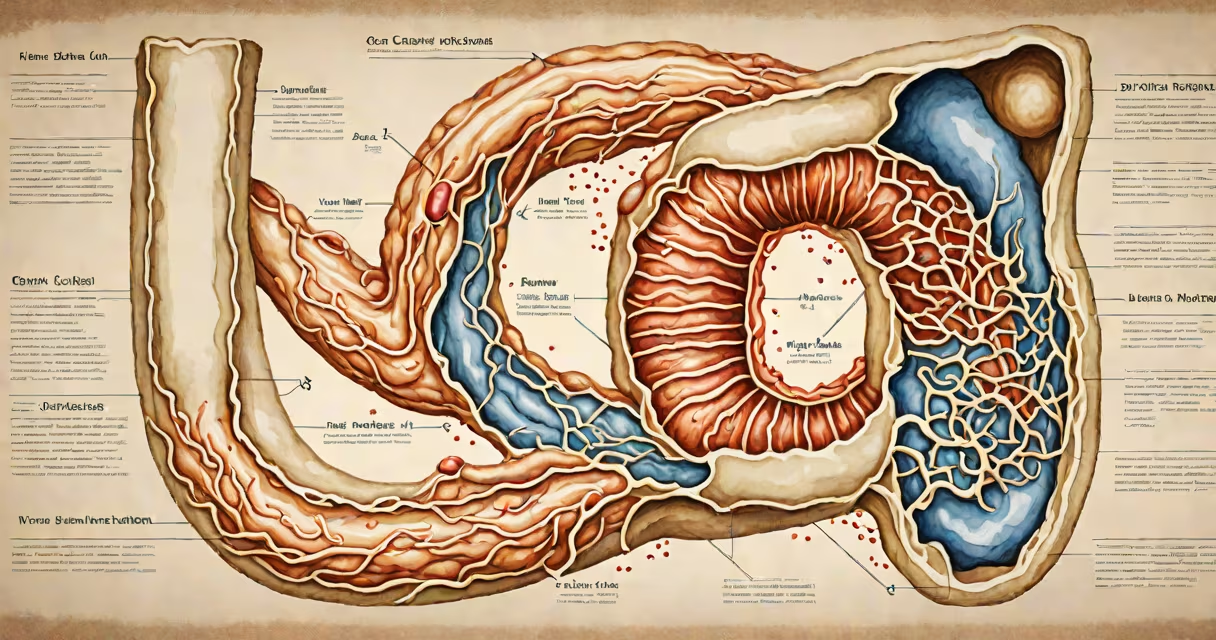
Distention of the colon occurs when the large intestine becomes abnormally swollen or enlarged due to gas, fluid, or stool buildup. This condition often causes noticeable abdominal discomfort and bloating.
The colon, or large intestine, is important for digestion by absorbing water and electrolytes from food waste. Normally measuring about five feet long and two inches wide, it processes about six liters of liquid daily. The colon's muscular walls contract rhythmically to move material along, a process called peristalsis.
Several factors can lead to colon distention:
Certain medical conditions like irritable bowel syndrome (IBS) or diverticulitis often contribute to chronic colon distention.
Patients typically report abdominal pain, bloating, and visible swelling. Severe cases may cause nausea, vomiting, or inability to pass gas or stool. Doctors diagnose colon distention through physical exams, imaging tests like CT scans, or endoscopic procedures.
One common misconception is that all colon distention requires immediate surgery. In reality, many cases resolve with dietary changes, medication, or lifestyle adjustments. For example, increasing fiber intake and hydration often helps relieve mild cases.
| Severity | Recommended Treatment |
|---|---|
| Mild | Dietary modifications, over-the-counter gas relievers |
| Moderate | Prescription medications, enemas, or laxatives |
| Severe | Hospitalization, IV fluids, or surgical intervention |
For persistent cases, doctors may recommend a low-FODMAP diet, which eliminates certain carbohydrates that ferment in the colon. A study published in Gastroenterology & Hepatology found that 70% of IBS patients experienced symptom improvement with this approach.
Consult a doctor if colon distention lasts more than two days, causes severe pain, or is accompanied by fever, blood in stool, or inability to pass stool. These symptoms may indicate serious underlying conditions requiring immediate treatment.
Understanding colon anatomy helps patients recognize abnormal changes. While occasional bloating is normal, persistent distention warrants medical evaluation to rule out serious conditions.