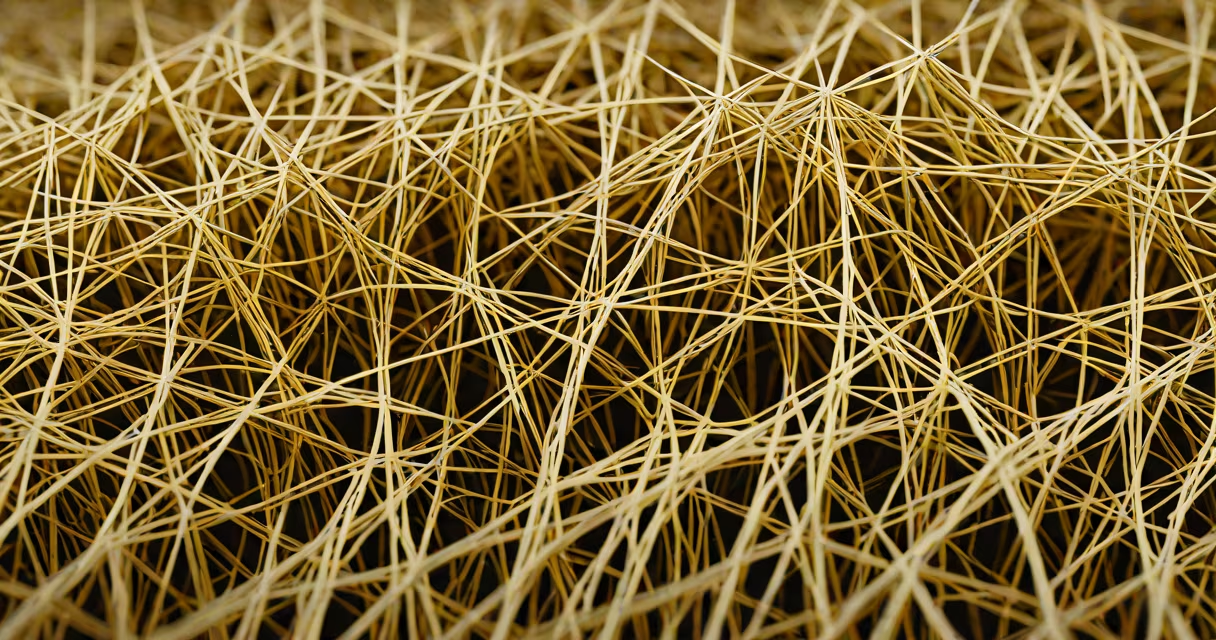
Hemp material is made from the fibers of the Cannabis sativa plant, specifically the long, strong strands in its stalk. These fibers are extracted through a process called retting, which separates them from the woody core.
The process begins by harvesting mature hemp plants, then soaking the stalks in water to loosen the fibers. After drying, the fibers are combed out and spun into yarn or woven into fabric. This method has been used for thousands of years, with evidence of hemp textiles dating back to ancient China.
Hemp material comes in several forms, each suited to different uses:
| Type | Description | Common Uses |
|---|---|---|
| Hemp fabric | Woven from hemp fibers, similar to linen or cotton | Clothing, bags, home textiles |
| Hemp paper | Made from pulped hemp stalks | Printing, packaging, currency |
| Hemp rope | Twisted hemp fibers for strength | Marine, construction, agriculture |
Hemp is valued for its durability, breathability, and sustainability. Unlike synthetic materials, hemp requires minimal water and no pesticides to grow. According to the Food and Agriculture Organization of the United Nations, hemp yields more fiber per acre than trees used for paper. It also absorbs more CO2, making it a carbon-negative raw material.
Many confuse hemp with flax or jute, but hemp fibers are longer and stronger. While cotton requires significant water and chemicals, hemp thrives with little intervention. Unlike synthetic fibers, hemp biodegrades at the end of its life cycle.
I once tested hemp fabric for a project and was surprised by its softness after washing. It's often mistaken for linen due to its texture, but hemp holds its shape better and resists wrinkles.
For more on sustainable materials, explore how laws are made to regulate their production and use. Understanding the legal structure behind materials like hemp can provide deeper insights into their environmental impact and industrial applications.