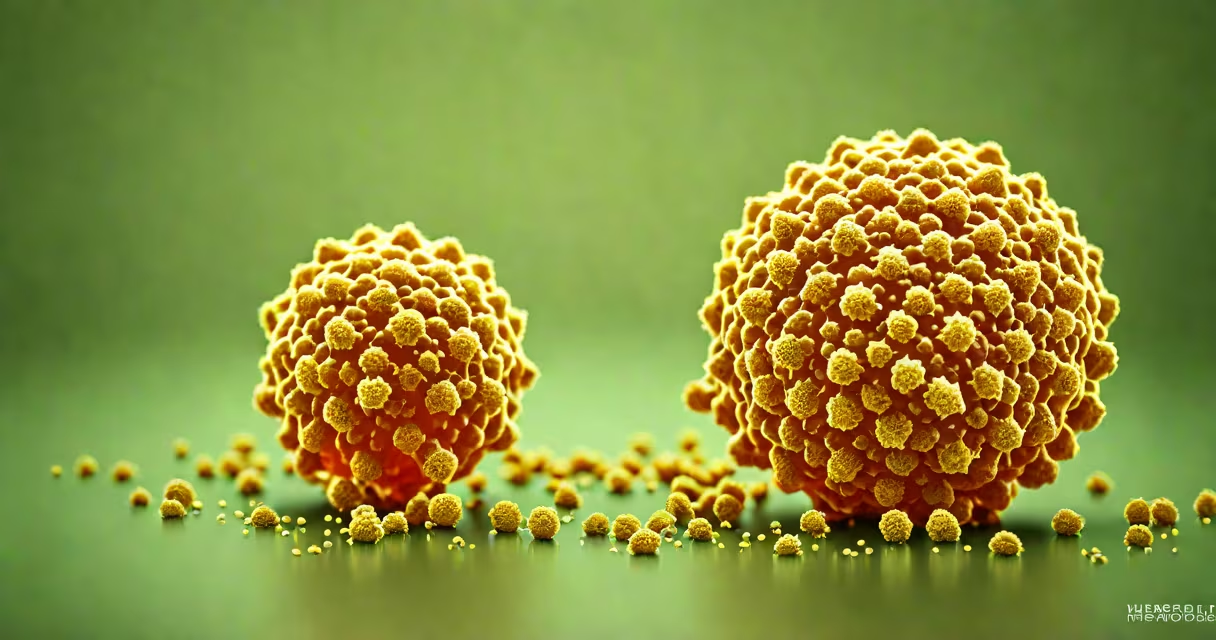
The herpes virus type 2 (HSV-2) is a sexually transmitted infection (STI) causing genital herpes. It belongs to the herpes simplex virus family and primarily affects the genital area.
HSV-2 infects human cells by entering through mucous membranes or small cuts in the skin. Once inside, the virus replicates and spreads to other cells. After the initial infection, the virus enters a dormant phase in nerve cells, where it remains inactive until triggered by stress, illness, or other factors.
HSV-2 causes genital herpes, characterized by painful sores or blisters in the genital, anal, or rectal areas. Other symptoms may include flu-like symptoms, such as fever, swollen lymph nodes, and body aches. The first outbreak is usually the most severe, with subsequent outbreaks being milder and less frequent.
HSV-2 spreads through sexual contact, including vaginal, anal, and oral sex. It can also spread during childbirth. To reduce the risk of transmission, use condoms, avoid sexual activity during outbreaks, and inform partners about the infection.
According to the Centers for Disease Control and Prevention (CDC), about one in five women and one in nine men in the U.S. have genital herpes. Many people with HSV-2 do not experience symptoms but can still transmit the virus.
There is no cure for HSV-2, but antiviral medications like acyclovir, valacyclovir, and famciclovir can help manage symptoms, reduce outbreak frequency, and lower the risk of transmission. These medications work by preventing the virus from replicating.
Regular medical check-ups and open communication with healthcare providers are essential for managing HSV-2. Understanding the virus and its transmission can help individuals make informed decisions about their sexual health.